

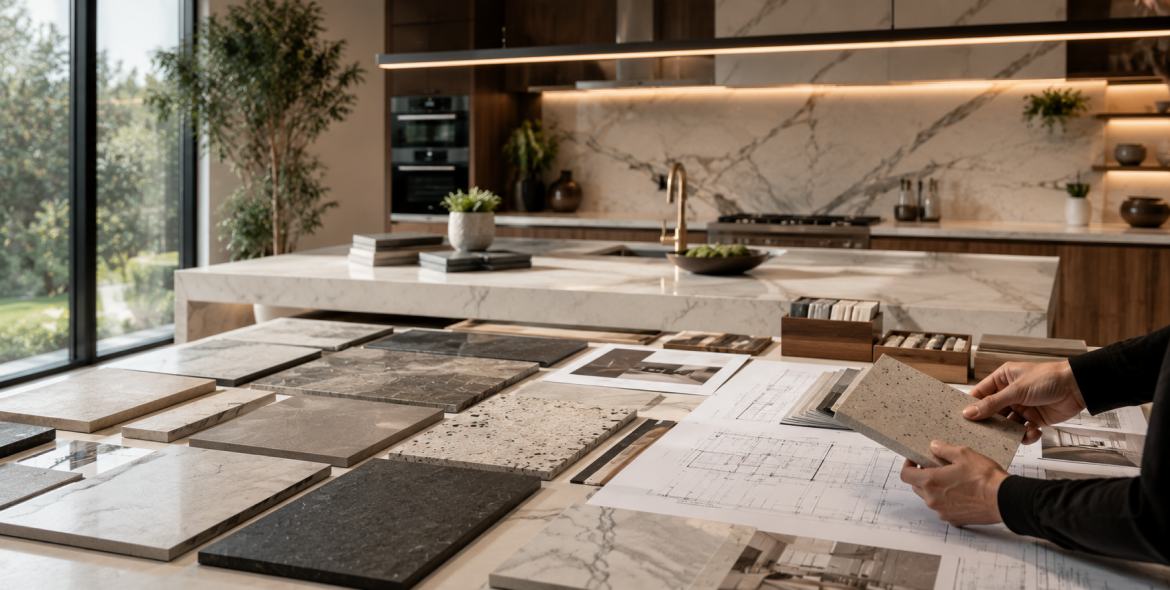
Interior designers today focus not only on creating visually appealing spaces but also on ensuring operational safety, implementing environmentally friendly practices, and maintaining material performance throughout their life cycle. The increased usage of engineered stone and quartz surfaces and modern countertop materials has led to heightened awareness about silica exposure. Designers, contractors and homeowners must now understand how their selection of materials will impact health and safety within work environments.
Silica is a natural mineral that exists in stone, sand, quartz and engineered bathroom surfaces found in kitchen and bathroom applications. The materials provide both durability and aesthetic appeal, but their cutting and polishing processes produce hazardous silica dust which contaminates indoor air. People who breathe this dust for extended periods face the risk of developing severe respiratory diseases that include silicosis.
The Occupational Safety and Health Administration (OSHA) identifies respirable crystalline silica exposure as a significant health risk for workers in both construction and surface fabrication sectors.
OSHA Silica Safety Information
Understanding Silica in Countertop Materials
The natural occurrence of silica exists in various materials that people use to create countertops, tiles and decorative surfaces. Engineered stone products contain higher silica content than natural stone surfaces because they use engineered materials.
Common materials containing silica include:
- Quartz countertops
- Engineered stone slabs
- Granite surfaces
- Ceramic tiles
- Stone backsplashes
During the fabrication process, cutting and grinding and drilling and polishing operations create airborne microscopic silica particles. Workers face the risk of inhaling these particles because they lack both ventilation systems and protective equipment.
Designers involved in modern bathroom design and kitchen planning should understand which materials require additional safety precautions during installation and fabrication.
Why Silica Safety Matters in Interior Design
Interior designers increasingly collaborate closely with contractors, fabricators, and installers during renovation projects. The selection of materials establishes two crucial effects because it determines both worker safety and the future maintenance needs of the project.
Health concerns related to silica exposure have gained global attention in recent years. The Centers for Disease Control and Prevention (CDC) states that prolonged exposure to silica results in lung disease, breathing difficulties, and permanent respiratory damage.
CDC Silica Exposure Information
The design professionals who work on these projects now choose safer fabrication methods that use lower-silica materials as their preferred option. The design professionals who work on luxury residential projects now face an increased demand from clients who seek interior design solutions that promote health and sustainability.
Choosing Safer Surface Materials
A variety of countertop and surfacing material were designed for style as well as safety considerations.
Popular Low-Maintenance Surface Options
- Porcelain slabs
- Recycled surface materials
- Solid surface countertops
- Low-silica engineered stone
- Natural wood accents
These alternatives are becoming increasingly common in eco friendly bathroom design projects because they support sustainability goals while reducing fabrication risks.
Designers must assess the material durability and maintenance needs, moisture protection capabilities, and safety aspects of installation work before they complete their design work. Designers should also work with certified fabricators who follow proper dust-control procedures during manufacturing and installation.
Bathroom Surface Trends and Safety Considerations
People continue to renovate bathrooms more than any other space in their homes. The three elements of countertops, sinks, and wall panels, together with tile installations create visual attractiveness and functional performance. Homeowners who prioritize their home’s appearance make their decision without considering the home maintenance and material production costs. The selection of safe and durable materials leads to lower future repair expenses, together with safer indoor environments.
Popular Bathroom Surface Trends
- Matte-finish countertops
- Large-format wall tiles
- Floating vanities
- Natural stone textures
- Quartz-inspired porcelain surfaces
The contemporary bathroom decor ideas these concepts because they produce sophisticated and simple bathroom interiors. Designers should not choose current trends as their highest priority because they need to protect user safety and guarantee product longevity.
Common Design Mistakes to Avoid
Most renovation projects face obstacles because owners and designers continue to prioritize aesthetics which leads them to disregard essential requirements for functional design and maintenance needs.
Some common bathroom design mistakes include:
- Choosing high-maintenance materials
- Ignoring ventilation systems
- Using slippery flooring surfaces
- Installing poor lighting layouts
- Selecting oversized fixtures for small spaces
The choice of surface materials needs to be correct because incorrect selection will create higher expenses for future repairs and make cleaning processes more challenging. Designers should recommend materials that balance safety, moisture resistance, and practical daily use instead of focusing only on visual appearance.
Importance of Ventilation During Installation
Fabricators need adequate ventilation when they create and install countertops because silica dust stays suspended in closed spaces for extended periods. The combination of wet cutting methods, dust extraction systems, and protective respirators together with proper airflow systems, creates a safe environment that reduces health risks. Design firms must enforce safety standards through their contractors to protect workers who perform bathroom renovations which involve equipment that limits ventilation and creates a risk of silica exposure.
Smart Surface Choices for Bathroom Designs
The construction of bathrooms needs materials that can withstand wet conditions and high humidity levels, and daily usage while their aesthetic qualities remain intact throughout time. The current bathroom tile ideas market shows strong demand for textured porcelain and terrazzo finishes and natural-inspired designs because these materials provide lasting strength with reduced upkeep requirements.
The contemporary bathroom sink styles space still maintains strong demand for vessel sinks, floating vanities, and integrated sink systems. Designers need to focus on surfaces which provide moisture protection, make cleaning easier, enhance durability, and require minimal upkeep while they improve all aspects of bathroom safety and operational performance.
Mirrors, Lighting, and Surface Coordination
The bathroom interior design needs to achieve visual harmony through proper coordination between countertops and wall finishes, mirrors, and lighting elements. The current trend for bathroom mirrors involves the use of LED-backlit mirrors, frameless mirrors, smart touch-control mirrors, and oversized reflective panels.
Proper mirror placement improves brightness and makes compact bathrooms appear larger. The combination of functional lighting and moisture-resistant surfaces creates spaces that maintain both practical use and visual beauty.
Sustainable Design Is Becoming a Priority
Interior design decisions now incorporate sustainability as a fundamental design criterion. Clients increasingly prefer materials that reduce environmental impact while supporting healthier living spaces.
Designers working on how to design a bathroom projects now frequently recommend:
- Water-efficient fixtures
- Recycled materials
- Energy-efficient lighting
- Low-VOC finishes
- Durable long-lasting surfaces
When upheld businesses economise on copying and distribution.
The Future of Safer Interior Surfaces
The construction and interior design industries are rapidly adapting to growing health concerns around silica exposure. Manufacturers are now developing lower-silica engineered surfaces and safer fabrication technologies to reduce workplace risks.
Design professionals who stay informed about material safety standards will create interiors that combine aesthetic appeal with long-lasting performance and healthy environments for occupants. Homeowners now prefer safer surface materials because they understand environmental and health issues that exist in their home spaces.
Final Thoughts
Silica safety is becoming an increasingly important topic in countertop fabrication and interior surface design. The design process for engineered stone and quartz materials requires designers to evaluate three factors which include worker safety, installation methods, and long-term health effects of those materials.
The selection of materials and the establishment of ventilation systems, and the partnership with certified fabricators enable project teams to achieve effective reduction of silica hazards which occur during renovation activities. Modern interior design success on both kitchen and luxury bathroom projects requires designers to achieve a combination of visual appeal and protection of user safety.
Visit Us:- https://kitchenandbathresources.com/