

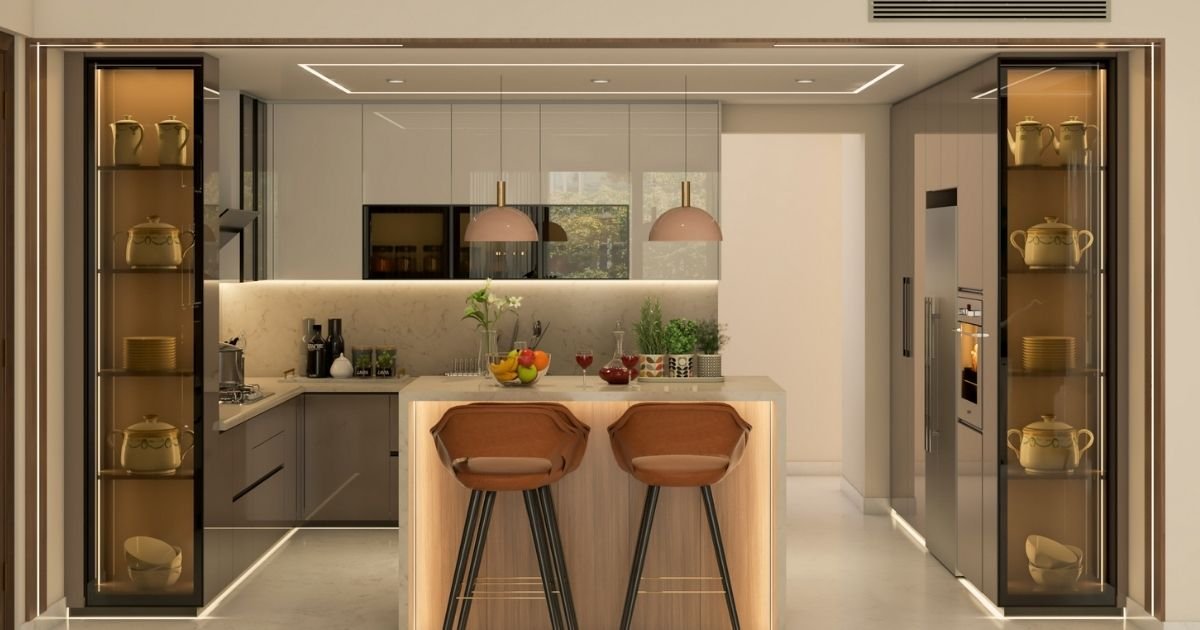
Pets have moved from the back porch to the heart of the home, and kitchens are catching up. Pet-friendly kitchen design is no longer about tucking a bowl in a corner; it’s a deliberate approach that blends feeding, storage, and cleanup into the cabinetry itself. For homeowners renovating or building new, this means fewer trip hazards, less mess, and a kitchen that works for every member of the household, four-legged ones included.
This guide walks through how to plan a kitchen that looks polished while genuinely making daily pet care easier.
Why Pet-Friendly Kitchens Are Becoming More Popular
Pet ownership has grown steadily, and so has the expectation that homes should accommodate animals as thoughtfully as they do people. Homeowners are asking designers for the same level of planning given to a coffee station or a mudroom but for pets.
A few reasons this trend has accelerated:
- Pets spend most of their time near the kitchen, since that’s where food and family activity happen.
- Loose bowls and bags create daily friction — spilled kibble, water splashes, and clutter add up.
- Resale appeal — a well-designed pet friendly kitchen layout is now a selling point buyers actively search for.
- Multi-pet households need organized systems more than single-pet homes, and builders are responding with dedicated cabinetry.
Built-In Pet Feeding Stations: What to Consider
A built-in pet feeding station is a dedicated area designed to hold food and water bowls, usually within or alongside kitchen cabinetry.
The main advantage is that the feeding area has a defined location instead of occupying a random part of the floor. Some designs place bowls in a recessed section beneath a cabinet or within a low drawer-style unit.
Before adding one, consider your pet’s size, bowl dimensions, cleaning routine, and the surrounding traffic.
Important Design Considerations
Height: The station should be appropriate for the pet using it.
Location: Avoid placing bowls directly in busy walking paths.
Materials: Choose surfaces that can handle water and food spills.
Access: Make sure the pet can comfortably reach the bowls.
Cleaning: The surrounding area should be easy to wipe and maintain.
Smart Storage Ideas for Pet Food and Supplies
Feeding stations solve the bowl problem, but food storage is just as important. A well-planned pet station cabinet typically includes:
- A pull-out shelf or drawer sized for a pet food storage container
- A designated spot for treats, medication, or supplements
- Hooks or a small drawer for leashes, collars, and grooming tools
- Ventilation gaps if storing large bags of dry food long-term
Airtight containers matter more than most homeowners realize they keep food fresh, deter pests, and eliminate the bulky look of stacked bags in the pantry.
Where to Place a Pet Feeding Station in the Kitchen
Placement is one of the most important decisions when creating a pet-friendly kitchen. The station should be convenient for the pet but should not interfere with food preparation or normal kitchen movement.
Good potential locations include:
- A quiet corner of the kitchen
- Near an existing lower cabinet
- Along a less-used wall
- Near a mudroom connection
- Beside a pantry area
Avoid positioning food and water bowls directly beside hot appliances or in areas where people regularly walk.
For cats, a quieter location can be particularly useful because some cats may prefer to eat away from busy household activity.
10 Pet-Friendly Kitchen Design Ideas
There are many ways to integrate pet-friendly features without making the kitchen look overly specialized.
1. Recessed Feeding Nook
Create a dedicated low-level niche for food and water bowls.
2. Pull-Out Feeding Drawer
A drawer can hold bowls when needed and provide a concealed appearance when the area is not being used.
3. Built-In Dog Feeding Area
Create a designated section beneath cabinetry with enough room for bowls and easy cleaning.
4. Dedicated Treat Drawer
Keep treats separate from everyday kitchen ingredients.
5. Pet Supply Cabinet
Use a cabinet to organize toys, leashes, grooming items, and other supplies.
6. Pantry Storage for Pet Food
If your pantry has sufficient space, create a clearly defined section for sealed pet food containers.
7. Under-Counter Pet Station
Use an unused lower-cabinet area to create a compact feeding zone.
8. Mudroom-Kitchen Connection
If your kitchen connects to a mudroom, consider storing pet supplies near this transition area.
9. Washable Feeding Mat Area
A washable mat beneath food and water bowls can help protect the surrounding floor from spills.
10. Dedicated Pet Water Station
A separate water area can reduce the chance of water bowls being placed in inconvenient locations.
Hidden vs. Open Pet Feeding Stations
There’s no universal right answer it depends on lifestyle.
Hidden stations (drawers, cabinet nooks) suit homeowners who prioritize a clean visual line and don’t want bowls visible when guests are over. Open stations work better for larger dogs, multi-pet homes, or anyone who wants quick, no-fuss access without opening a drawer at every mealtime.
Many designers now blend the two: an open bowl area for daily use, with hidden storage for food and supplies nearby.
How to Keep Pet Areas Clean and Organized
- Choose a feeding surface with a raised lip to catch spills
- Use removable, dishwasher-safe trays under bowls
- Store food scoops inside the container rather than loose in a drawer
- Wipe down the feeding nook with the same routine as kitchen counters, not as a separate chore
Pet-Friendly Materials and Finishes to Choose
The materials around a pet area should be selected for durability and easy maintenance.
Countertops and Cabinet Surfaces
Choose finishes that can tolerate occasional water and food spills. Smooth, easy-to-clean surfaces are generally more practical around feeding areas.
Flooring
Pet friendly flooring should be durable, easy to clean, and appropriate for the home’s overall design.
Potential choices can include:
- Porcelain tile
- Ceramic tile
- Luxury vinyl
- Sealed stone
- Other durable flooring systems
The best option depends on your home’s requirements, pet behavior, cleaning preferences, and overall kitchen design.
Avoid Difficult-to-Clean Details
Highly textured surfaces or deep grout lines can require more effort when food and water spills occur.
Kitchen Safety Features for Dogs and Cats
Pet-friendly design should also consider safety. Kitchens contain appliances, hot surfaces, cleaning products, sharp objects, and foods that may be unsuitable for pets.
Keep potentially dangerous household products and food items out of reach.
Useful safety measures include:
- Secure storage for cleaning products
- Child- and pet-resistant cabinet solutions where appropriate
- Keeping sharp tools safely stored
- Avoiding accessible hot surfaces
- Securing loose cords
- Keeping pet food separate from human food
- Maintaining clear walking areas
Also consider your pet’s habits. A design that works for a calm older dog may not work for a curious kitten that climbs onto surfaces.
Common Pet-Friendly Kitchen Design Mistakes
- Placing the station in a high-traffic path, creating tripping hazards
- Skipping ventilation in enclosed food storage, leading to stale kibble
- Choosing flooring that stains or scratches easily in the feeding zone
- Underestimating pet growth a station sized for a puppy may not fit an adult dog’s bowls a year later
FAQs About Pet-Friendly Kitchen Design
What is the best material for a built-in pet feeding station?
Solid-surface or quartz tops with stainless bowl inserts are the most durable and easiest to sanitize.
Should the feeding station be elevated or on the floor?
It depends on the pet’s size and joint health larger dogs often benefit from raised bowls, while cats generally prefer floor-level or slightly elevated platforms.
Can I add a pet feeding station during a partial kitchen remodel?
Yes. A built-in pet feeding station can often be added to existing lower cabinetry without a full renovation.
How much space does a pet-friendly kitchen layout need?
Even a narrow 12–18 inch cabinet section can accommodate a functional feeding drawer, making it workable in most kitchen sizes.
Conclusion
A well-planned pet-friendly kitchen design can make everyday life easier without sacrificing the appearance or functionality of the kitchen. Built-in feeding areas, dedicated storage, durable materials, practical flooring, and thoughtful safety features can all help create a space that works better for the entire household.
The most successful designs are based on actual pet routines. Think about where your dog or cat eats, how much food and equipment you need to store, how often the area needs cleaning, and how your pet moves through the kitchen.
If you are planning a kitchen renovation and want more ideas for combining functionality with modern design, KBR can help you explore practical kitchen solutions that work for both homeowners and their pets.
Visit Us:- https://kitchenandbathresources.com/