

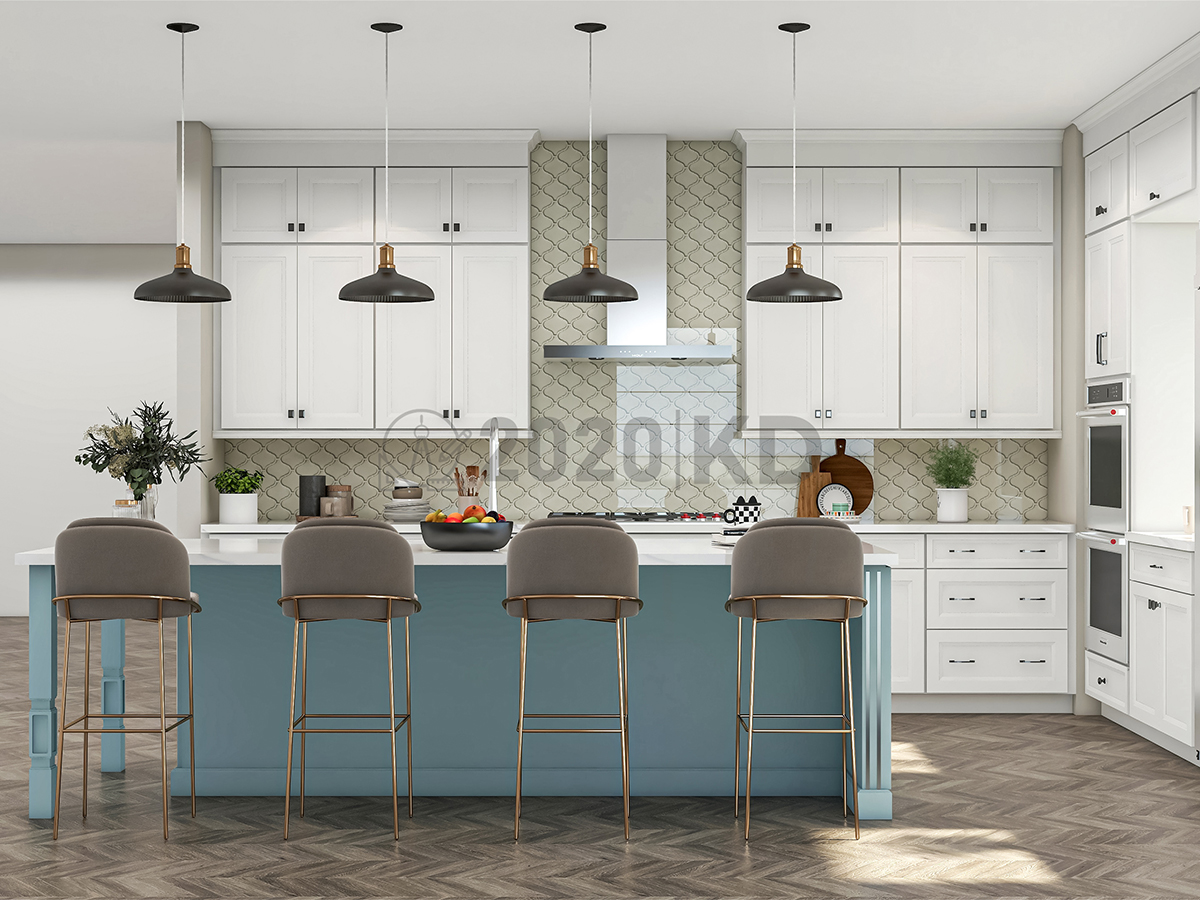
Mixing metals in kitchen and bath design is a trend that adds style and personality to your spaces. It can be a bit challenging, but with the right approach, you can achieve a cohesive and elegant look. Here’s a guide with simple tips to help you master the art of mixing metals.
Understanding Different Metal Finishes
Before diving into mixing metals, it’s helpful to know the basics of popular metal finishes:
- Stainless Steel: Sleek and durable, perfect for a modern vibe.
- Chrome: Shiny and reflective, adds a touch of luxury.
- Brass: Warm and golden, brings a vintage feel.
- Bronze: Rich and dark, offers an antique touch.
- Copper: Reddish and rustic, adds warmth.
Knowing these finishes will guide your choices and help you create a balanced and harmonious kitchen and bath design.
Simple Strategies for Mixing Metals
1. Choose a Main Metal
Start by selecting a main metal that will be the dominant finish in your room. For example, if you choose stainless steel for your appliances, you can complement it with brushed nickel or chrome for fixtures and accessories.
2. Add a Contrast with a Secondary Metal
Introduce a secondary metal that contrasts with your main choice to create visual interest. Pairing cool tones like stainless steel with warm tones like brass can make your design pop.
3. Use Transitional Pieces
Look for fixtures or accessories that combine different metals. These transitional pieces can help blend various finishes, making the transition between metals smoother.
4. Balance Your Metal Finishes
Maintain a balance between your main and secondary metals. Aim for a ratio like 70-30, where your main metal covers 70% of the fixtures, and the secondary metal fills the remaining 30%.
5. Limit Your Metal Choices
To keep your design cohesive, limit the number of different metals you use to two or three types. This will help prevent your space from feeling cluttered or disjointed.
6. Match Metals to Your Room’s Style
Choose metals that complement the overall style and color scheme of your room. For a modern kitchen with gray tones, silver finishes like chrome or stainless steel work well. In a warm-toned bathroom, copper or gold accents can be a great choice.
7. Experiment with Textures
Don’t be afraid to mix different finishes, like matte, brushed, or polished. Textural variety can add depth to your design and make it more visually appealing.
Putting It All Together in Kitchen and Bath Design
Kitchen Design
In the kitchen, focus on coordinating metals for appliances, cabinet hardware, and fixtures. Start with a stainless steel refrigerator and oven, complemented by brushed nickel or chrome faucets and handles. Add warmth with brass or copper accents in lighting or decor pieces.
Bathroom Design
In the bathroom, you can mix metals by pairing a chrome faucet with brass or bronze hardware. Consider adding copper accessories or light fixtures to bring warmth to the space. Remember to keep a balance and stick to your chosen color palette for a unified look.
Remember, the key to successful metal mixing is balance and intention. With these easy-to-follow tips, you’ll be able to confidently mix metals like a pro, creating a stylish and harmonious environment that you’ll love. Let’s explore more about the latest trends and news about kitchen and bath design!