

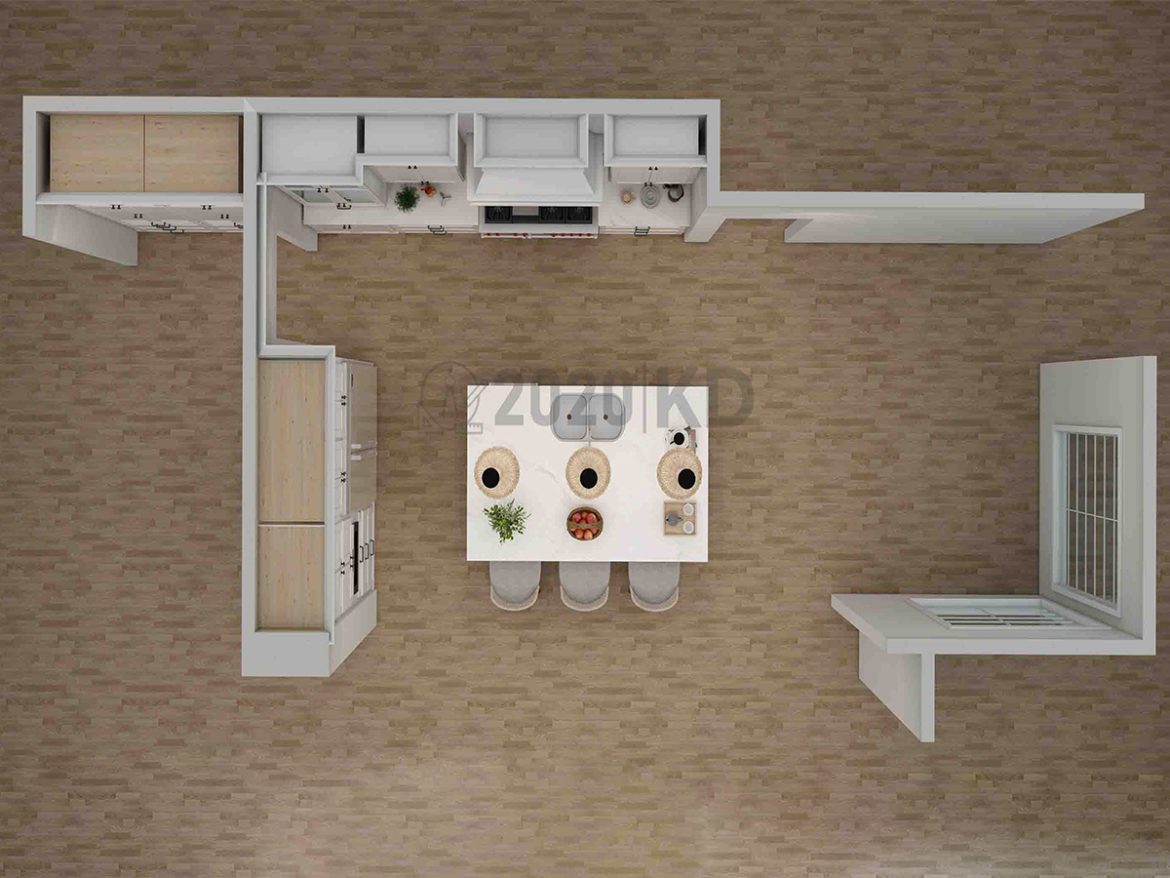
Are you ready to transform your kitchen renovation into a space that perfectly reflects your style and cooking needs? A successful kitchen renovation hinges on one crucial element: accurate measurements. This comprehensive guide empowers you to measure your kitchen like a pro, ensuring a seamless and stunning renovation.
Embarking on a kitchen renovation or update? Accurate measurements are the foundation of a successful project. Our comprehensive guide walks you through each step to ensure your kitchen updates fit perfectly.
Follow the step for Kitchen Renovation
Step 1: Essential Tools for Kitchen Measurement
Before diving into measurements, gather the right tools:
- Tape Measure: A versatile 25-foot tape measure.
- Graph Paper or Notebook: For sketching your kitchen layout.
- Pencil or Pen: To jot down measurements.
- Digital Camera or Smartphone: Capture high-quality photos.
Step 2: Sketch Your Kitchen Layout
Start with a rough sketch of your kitchen layout, including walls, doors, windows, and architectural features. This visual guide is your blueprint for accurate measurements.
Step 3: Measure Wall Dimensions
- Length: Measure each wall end-to-end.
- Height: Note the wall height from floor to ceiling.
Record these measurements on your sketch for easy reference.
Step 4: Window and Door Measurements
For accurate window and door measurements:
- Width: Jamb to jamb.
- Height: Window frame to sill or door jamb to floor.
- Trim: Include trim measurements if it’s staying.
Step 5: Appliance Dimensions
Measure each appliance:
- Width: Side-to-side.
- Height: Bottom-to-top.
- Depth: Front-to-back, including handles.
Step 6: Countertop Measurements
For countertops:
- Length: Along the wall.
- Depth: Typically 24 inches.
- Width: Islands or standalone sections.
Step 7: Cabinet Measurements
Measure cabinets:
- Height: Floor to ceiling or bulkhead underside.
- Depth: Usually 24 inches.
- Width: Along the wall or standalone.
Step 8: Sink and Fixture Measurements
For sinks and fixtures:
- Width: Side-to-side for sinks; faucet hole distance for fixtures.
- Depth: Front-to-back for sinks.
- Height: Including sink rim.
Step 9: Identify Obstructions
Spot and measure obstructions like pipes or vents. Note their distances from corners or walls to prevent design clashes.
Step 10: Snap Kitchen Photos
Take clear, multi-angle photos of your kitchen. These visuals aid in the design and planning phase.
Step 11: Double-Check Your Measurements
Before finalizing, double-check all measurements. Precision is crucial to avoid costly errors later.
Kitchen Design Inspiration
Before diving into your renovation, it’s helpful to explore different kitchen styles for inspiration. Check out 2020 Kitchen Design for a variety of design ideas, from modern to traditional and everything in between.
Conclusion
Accurate kitchen measurements are essential for a successful renovation or update. By following this comprehensive guide, homeowners can confidently measure their kitchen, ensuring a seamless and stylish result. Prioritize precision, use the right tools, and double-check your measurements to set the stage for a successful project.
Happy measuring and best wishes for your kitchen transformation! Let’s explore more about the latest trends and news about kitchen and bath design!