

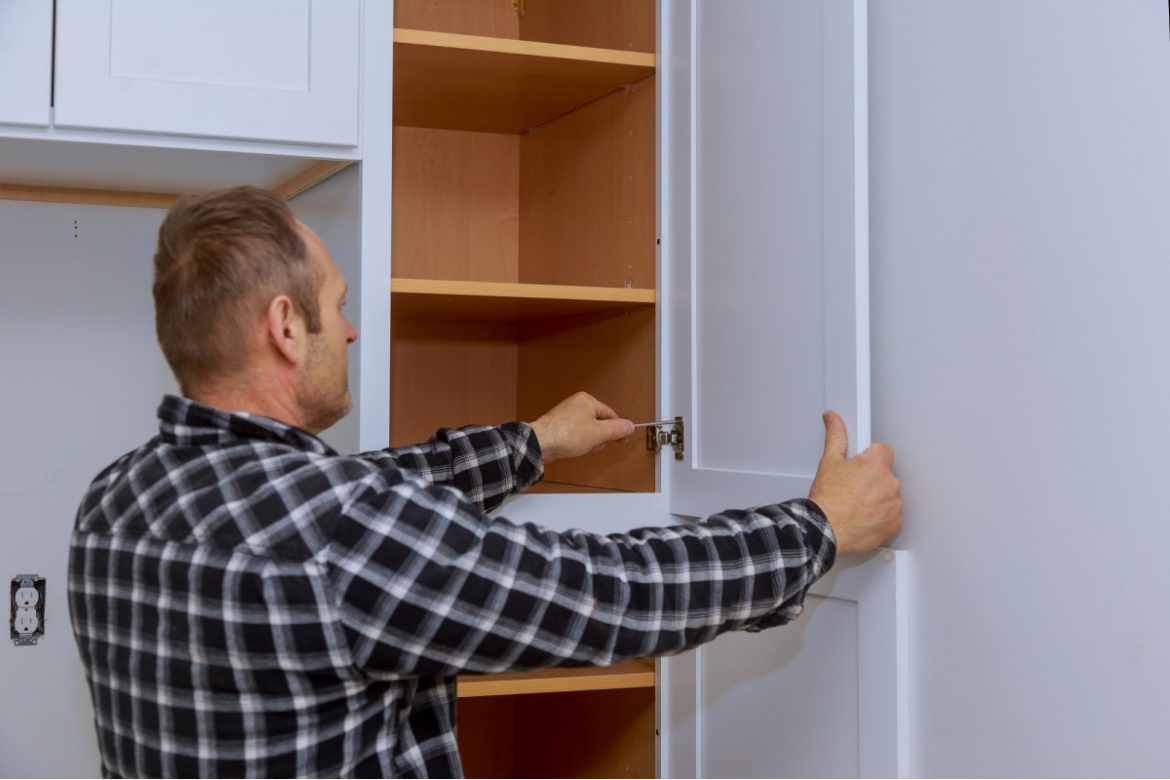
In early 2026, kitchen cabinet makers in the United States strongly criticized the government’s decision to delay an increase in import tariffs on cabinets and vanities.
The U.S. had planned to raise tariffs (taxes on imported products) from 25% to 50% to protect American cabinet manufacturers. However, this increase was postponed until January 2027 to allow more time for negotiations with other countries. ( Source: Kitchen & Bath Design News )
What Happened?
Imported kitchen cabinets — especially from countries like China and Vietnam — make up a large portion of cabinets sold in the U.S. American cabinet makers wanted higher tariffs because they believe imported products are much cheaper and hurt U.S. manufacturing.
Instead of increasing tariffs now, the administration decided to delay the change. This means tariffs stay at 25% for the rest of 2026 and are scheduled to go to 50% in 2027. (Source : furniture cabinet tariff increases )
How U.S. Cabinet Makers Responded
Groups representing U.S. cabinet makers — including the American Kitchen Cabinet Alliance (AKCA) — said they are very disappointed with the delay. They argued:
Higher tariffs are needed to protect American jobs.
Imported cabinets are sometimes priced 50–70% lower than U.S.-made products.
Delaying tariff increases makes it harder for domestic manufacturers to compete.
The president of a major U.S. cabinet company said many Americans work in domestic cabinet manufacturing, and protecting those jobs should be a priority.
What This Means for Dealers and Remodelers
For kitchen & bath dealers, distributors, and remodelers in the U.S., the tariff delay has mixed effects:
Short-Term Price Stability
Prices for imported cabinets are less likely to rise quickly in 2026 because the tariff increase was postponed. This may help contractors and homeowners keep remodeling costs down.
Long-Term Uncertainty
Because tariffs might still increase in 2027, businesses must stay flexible. Price expectations could change next year if duties go up.
What Experts Say About Tariffs and the Housing Market
Some industry voices argue higher tariffs can help U.S. manufacturing, but others warn that large tariff increases might raise the cost of materials and slow down remodeling or new home building.
For example, another article on Kitchen & Bath Design warns that tariffs can create headwinds for the housing market by increasing overall build and renovation costs.