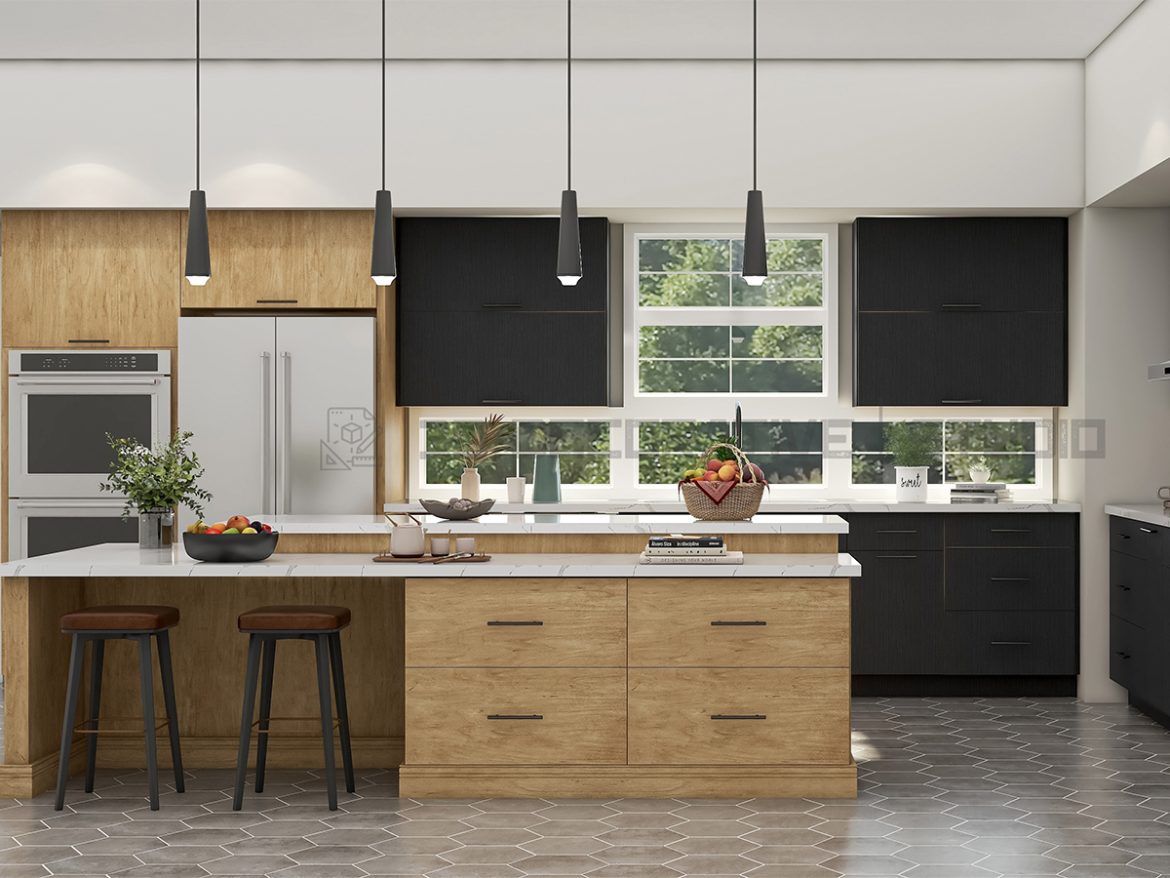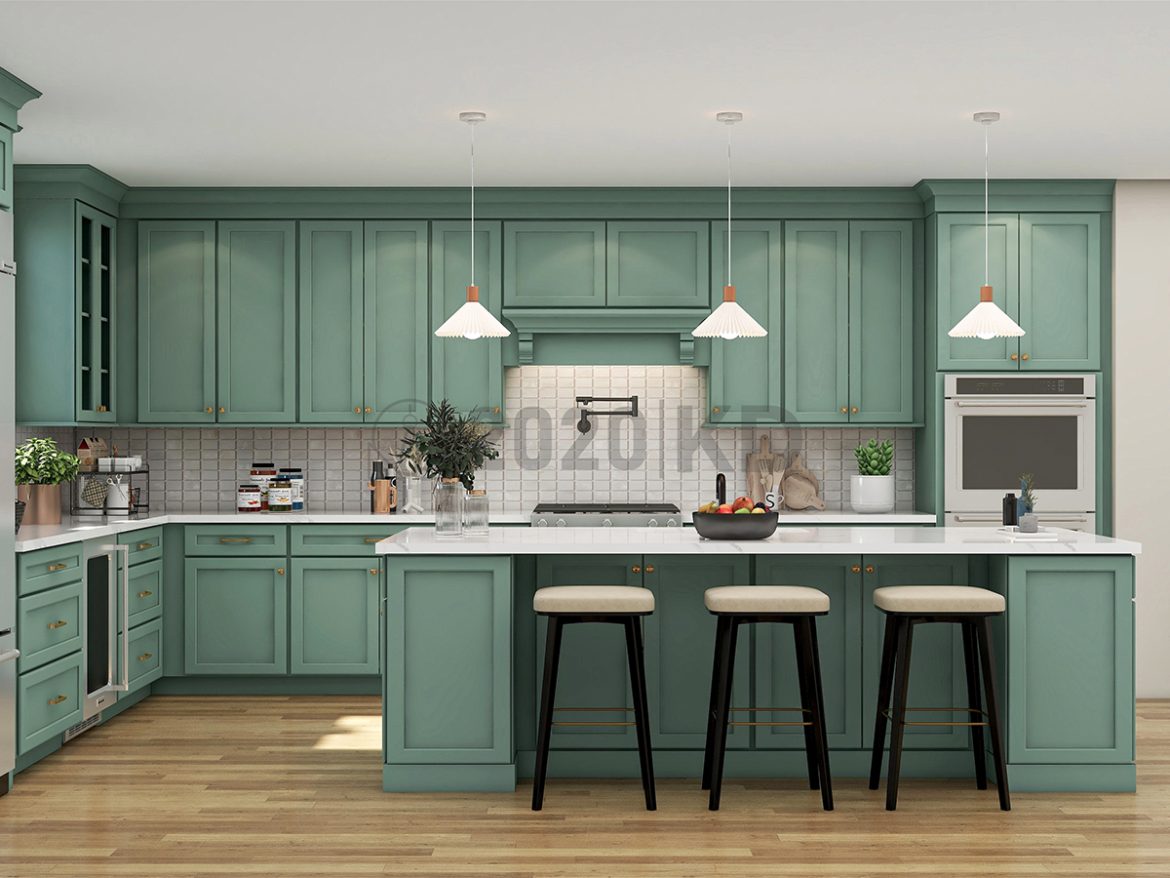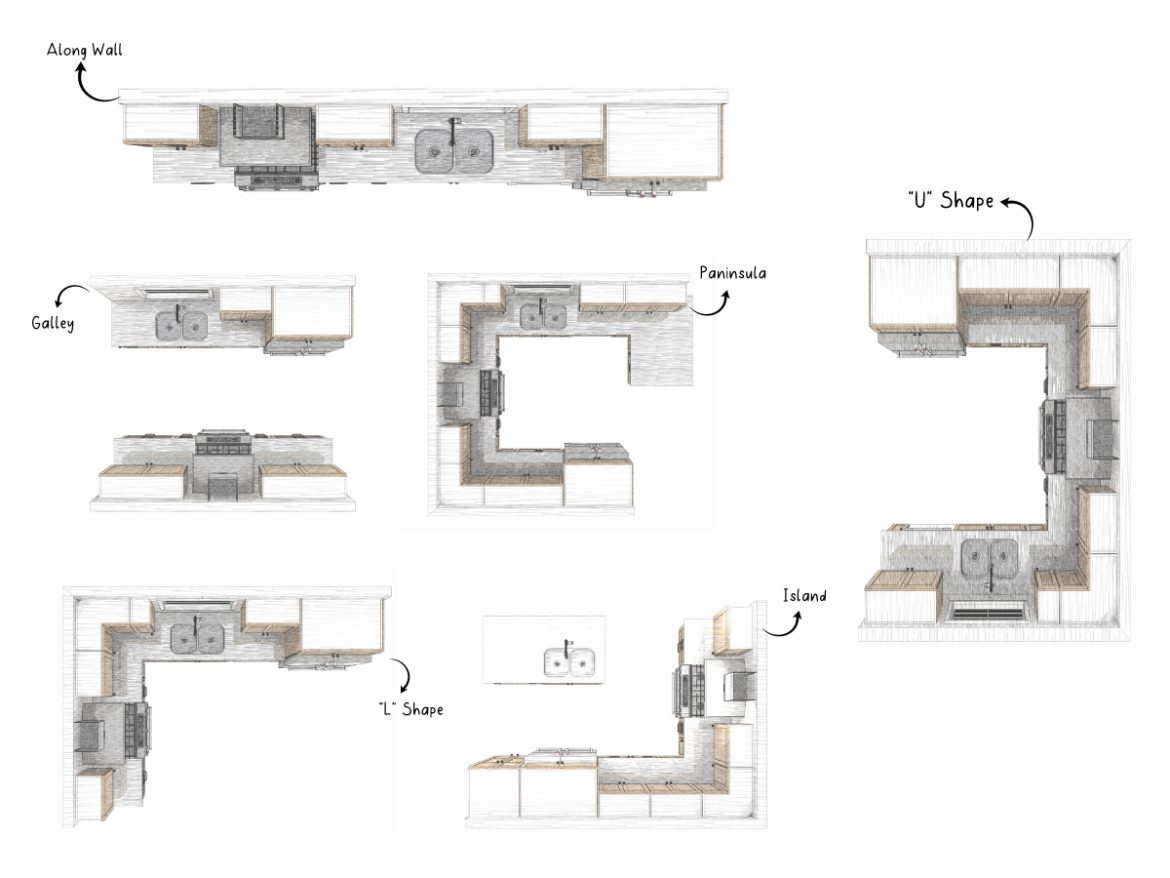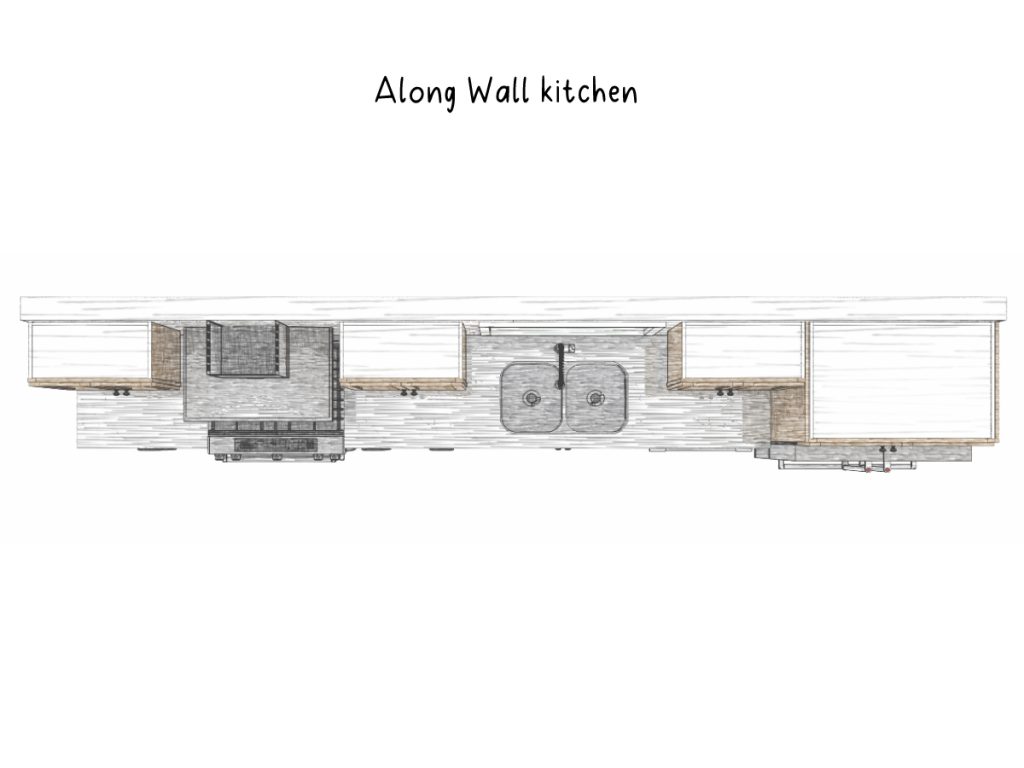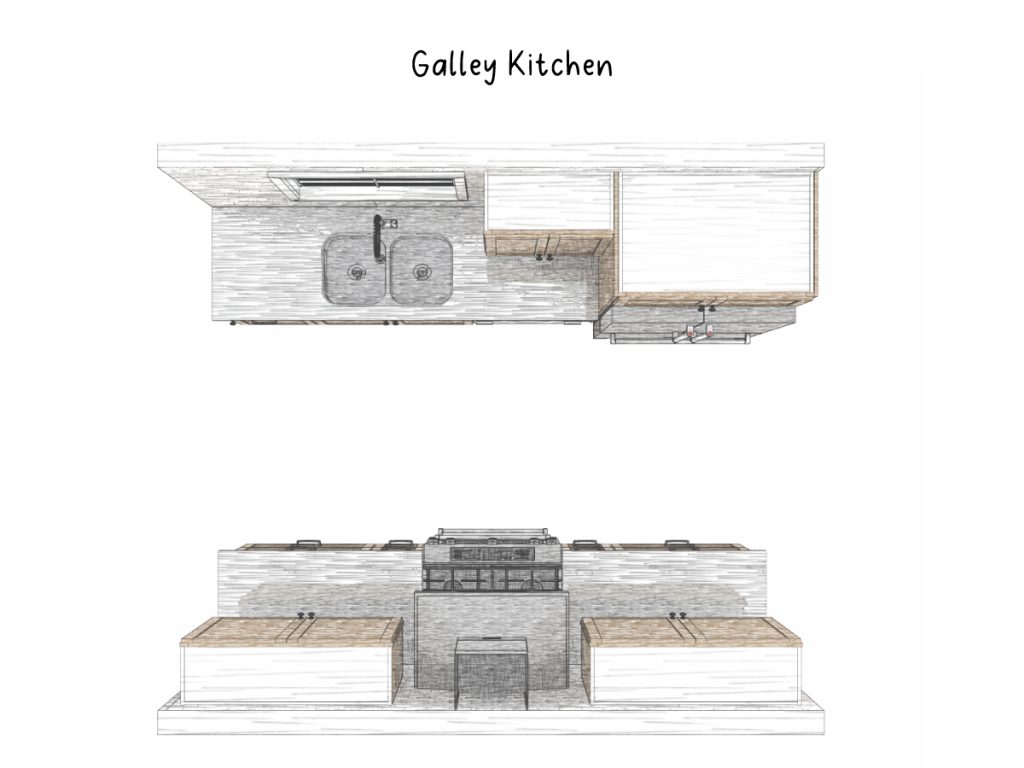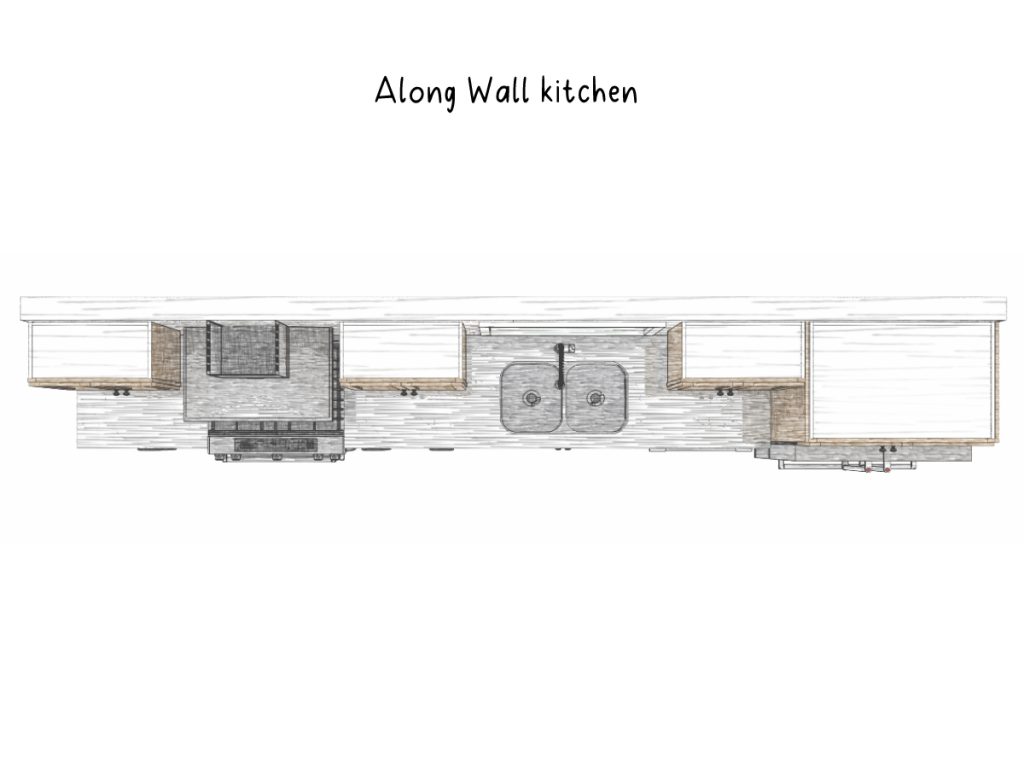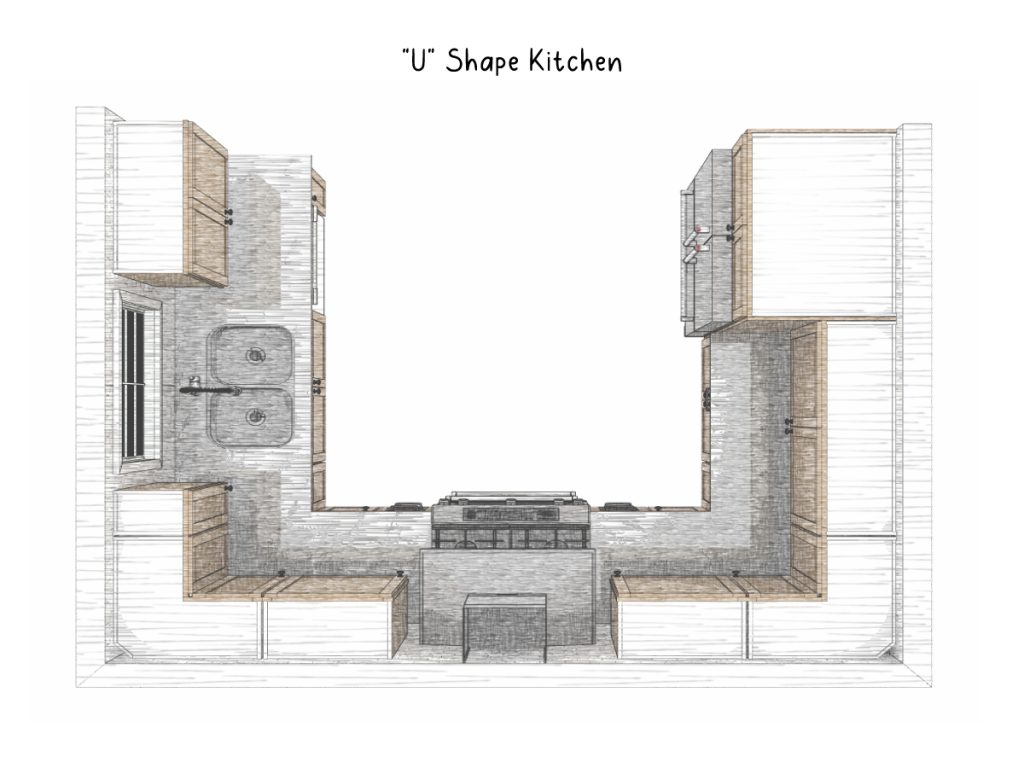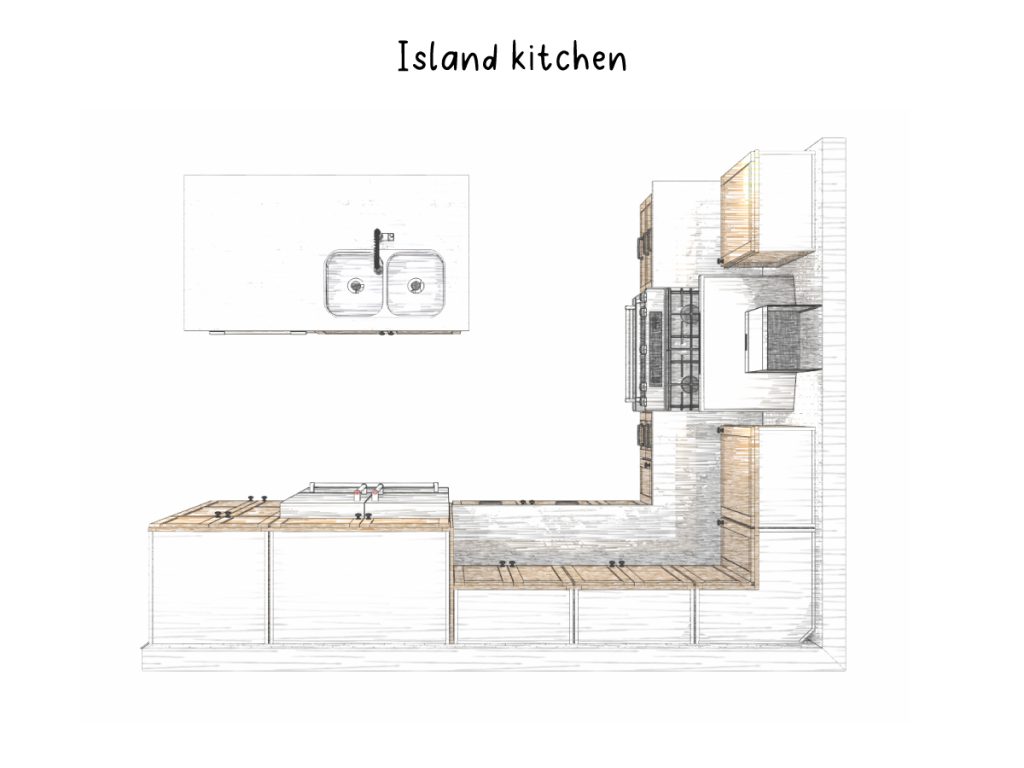

Choosing the wrong 3D model can ruin a project. It might look stunning, but crash your software, be impossible to animate, or land you in legal hot water over licensing. Don’t worry, that won’t happen to you! This guide will help you find the perfect 3D model Kitchen and Bath to streamline your design process, whether you’re building a blockbuster game or a cutting-edge architectural visualization.
1. Start with the Blueprint: Understand Your Project
Before you even think about searching, nail down the essential needs of your project:
- Purpose: Will this model be a background detail, or the star of the show? This determines the level of detail needed.
- Platform: A mobile game model has far stricter limitations than one for a high-powered desktop VR experience.
- Style: Your 3D model should blend seamlessly with your project’s existing aesthetic.
- Tech Specs: Know your software’s capabilities, polygon limitations, and what file formats it supports.
- Budget: Amazing models exist at every price point (including free!), but be realistic about what you can spend.
- Timeline: Tight deadlines might mean a pre-made option is the best “perfect” you can find for now.
2. To Build or To Buy? The Custom vs. Pre-Made Decision
- Custom Models: The ultimate in uniqueness, but expensive and time-consuming to create from scratch. Ideal when your model needs to be one-of-a-kind.
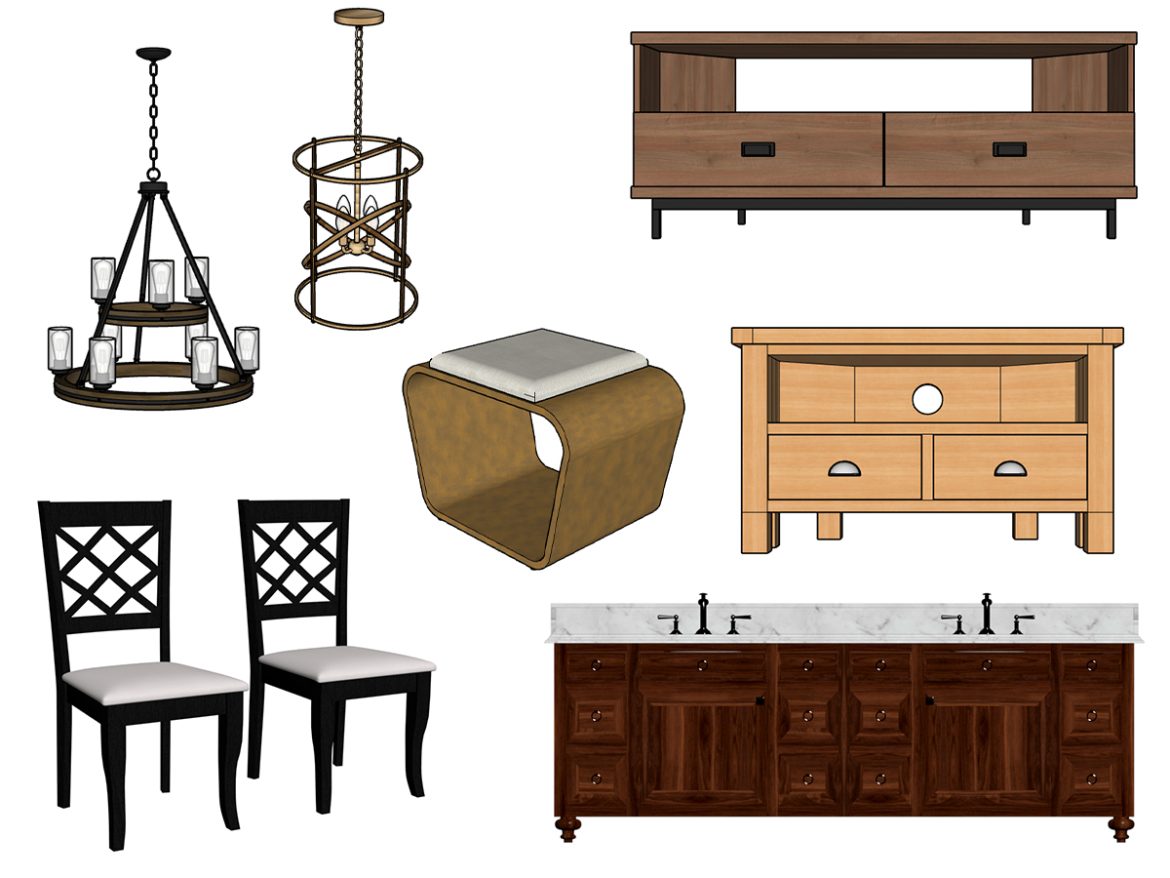
- Pre-made Models: Massive libraries online offer surprisingly high-quality options, often at affordable prices. Sites like 3d decorative specialize in a wide range of decorative models, perfect for those looking to add unique details to their scenes. You might even find the perfect foundation to then customize.
- The Hybrid Approach: Many designers start with a solid base model and add bespoke features, saving time and money while ensuring their project stands out.
- “Upcycling” Old Models: Breathe new life into models from past projects to create something truly unique on a tight budget.
3. Beauty is More Than Skin Deep: Assessing 3D Model Quality
Don’t be fooled by a pretty picture; true quality lies beneath the surface:
- Geometry: Crisp, clean topology (especially for animation) minimizes rendering problems. Avoid excessive triangles or n-gons.
- Textures & Materials: High-resolution textures are vital for close-ups. Ensure materials look realistic under different lighting in your software.
- LOD (Level of Detail): Crucial for games and VR. The model should simplify intelligently at a distance to maintain performance.
- Optimization: No one wants a model that slows their project to a crawl. Polycounts and texture size should be appropriate for your target platform.
- Future-Proofing: Can it be easily updated if the model needs a fresh coat of texture paint in a year, or a newly rigged arm?
4. Play by the Rules: Understand Licensing
Using a model without the right license is worse than frustrating, it’s potentially illegal. Always check:
- Commercial vs. Non-Commercial: Is your project making money? You likely need a commercial license then.
- Attribution: Do you need to credit the model’s creator? Where and how?
- Modification: Can you tweak it? To what extent? Can you take pieces of it for something new (“kitbashing”)?
5. Don’t Just Download, Get Support!
The most amazing model is useless if you can’t get it working. Consider:
- Documentation: Clear instructions or a readme file are a lifesaver.
- Developer Support: Complex models might need that extra assistance.
- Communities: Forums or Discord servers dedicated to the 3D model type or your software are invaluable.
6. Invest in Flexibility
Think of a 3D model as a long-term asset. Can it grow as your project does?
- Expanding a Scene: If that desk model includes variations or matching pieces, you could effortlessly create an entire office.
- Future Updates: Is the creator active in updating the model? Will you be able to easily contact them in case of issues?
Conclusion – Perfect 3D Model for Your Design
The “perfect” 3D model balances beauty, function, and fits your project like a glove. With careful planning and evaluation, you’ll find assets that propel your work forward, and make the design process significantly smoother. Happy modeling!
Happy measuring and best wishes for your 3D Model kitchen transformation! Let’s explore more about the latest trends and news about kitchen and bath design!