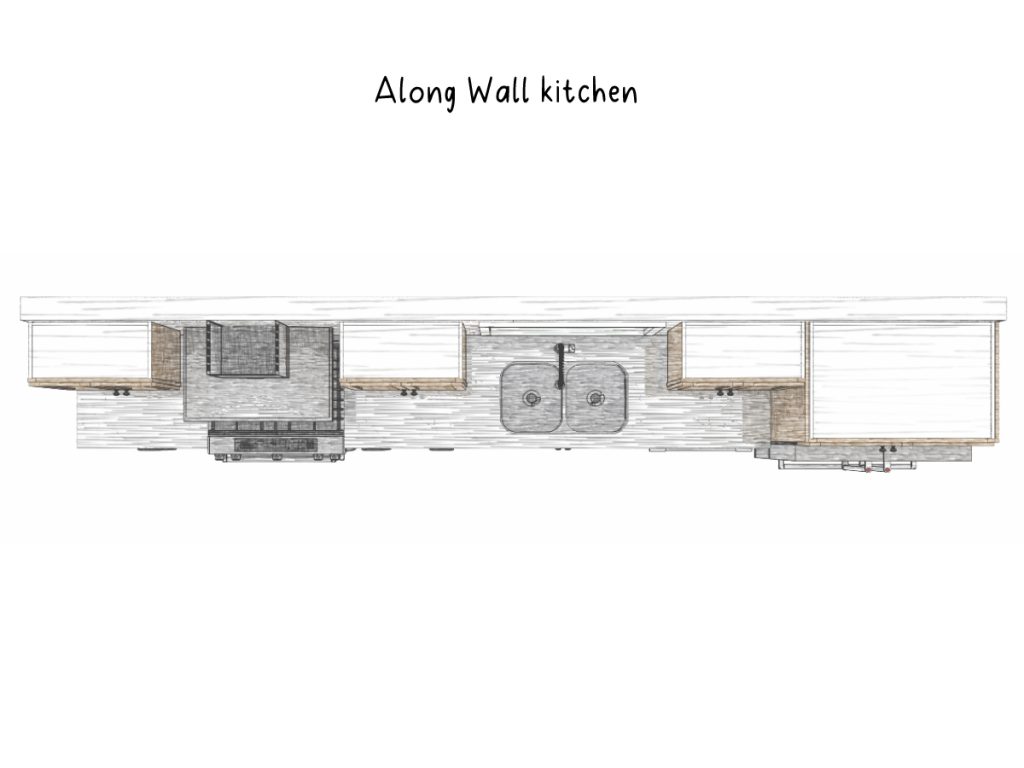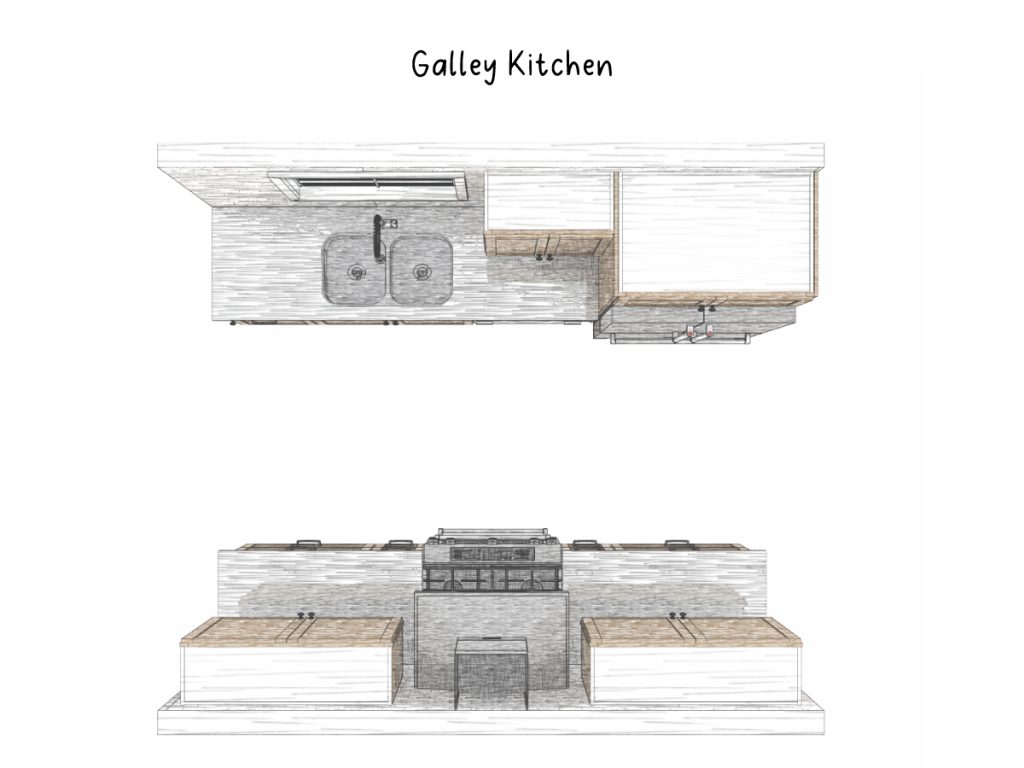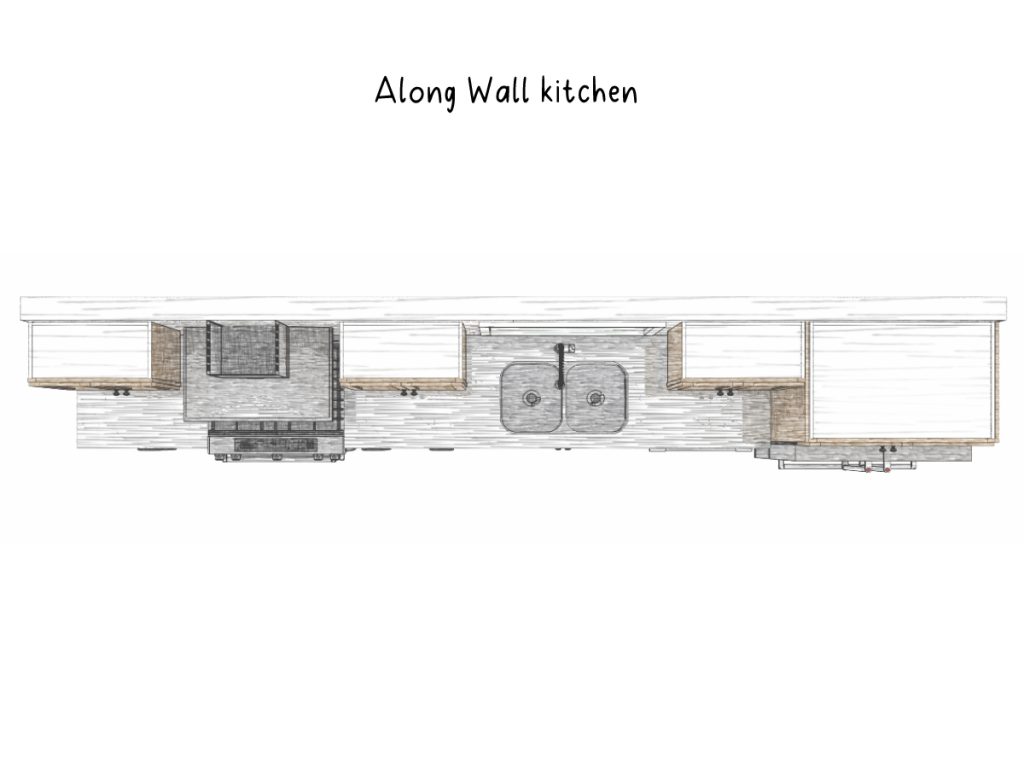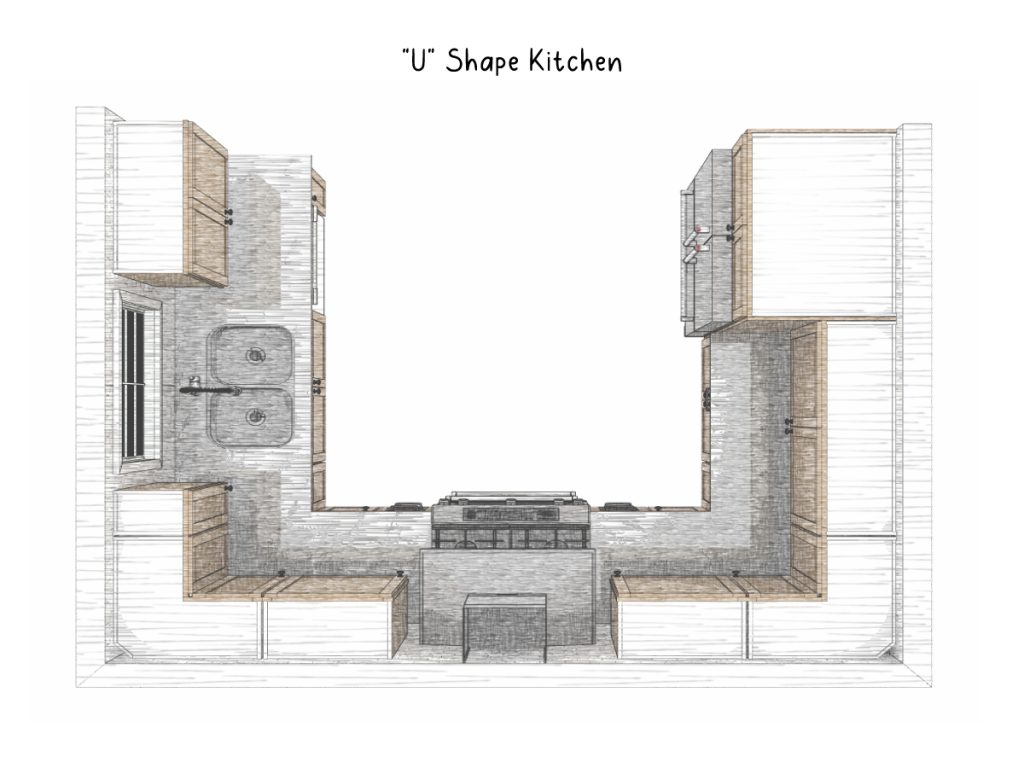

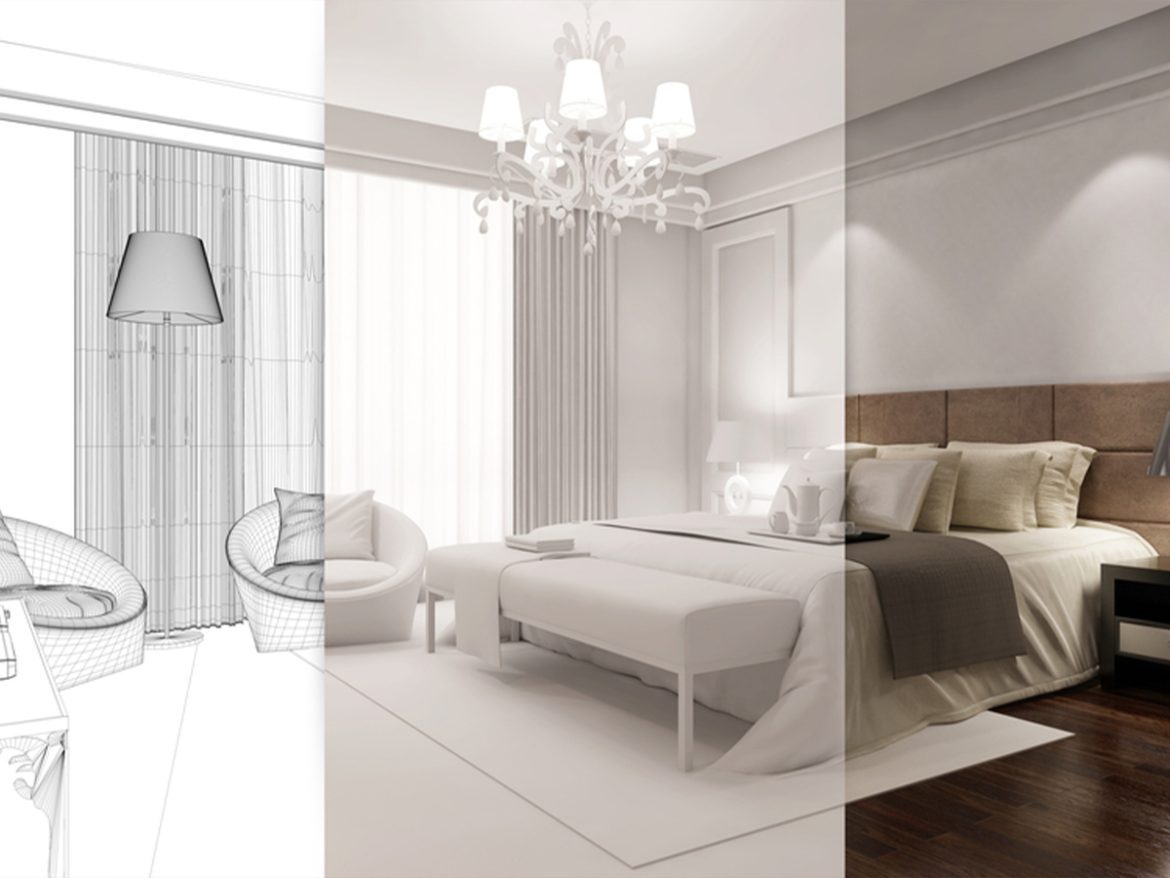
3D modeling is a tool that lets interior designers create realistic 3D images of rooms, furniture, and decorations. It’s super important because it helps designers see how everything will look before it’s built or bought. This way, they can make changes easily and show clients exactly what to expect. In short, 3D modeling is a game-changer for interior design!
What is 3D Modeling?
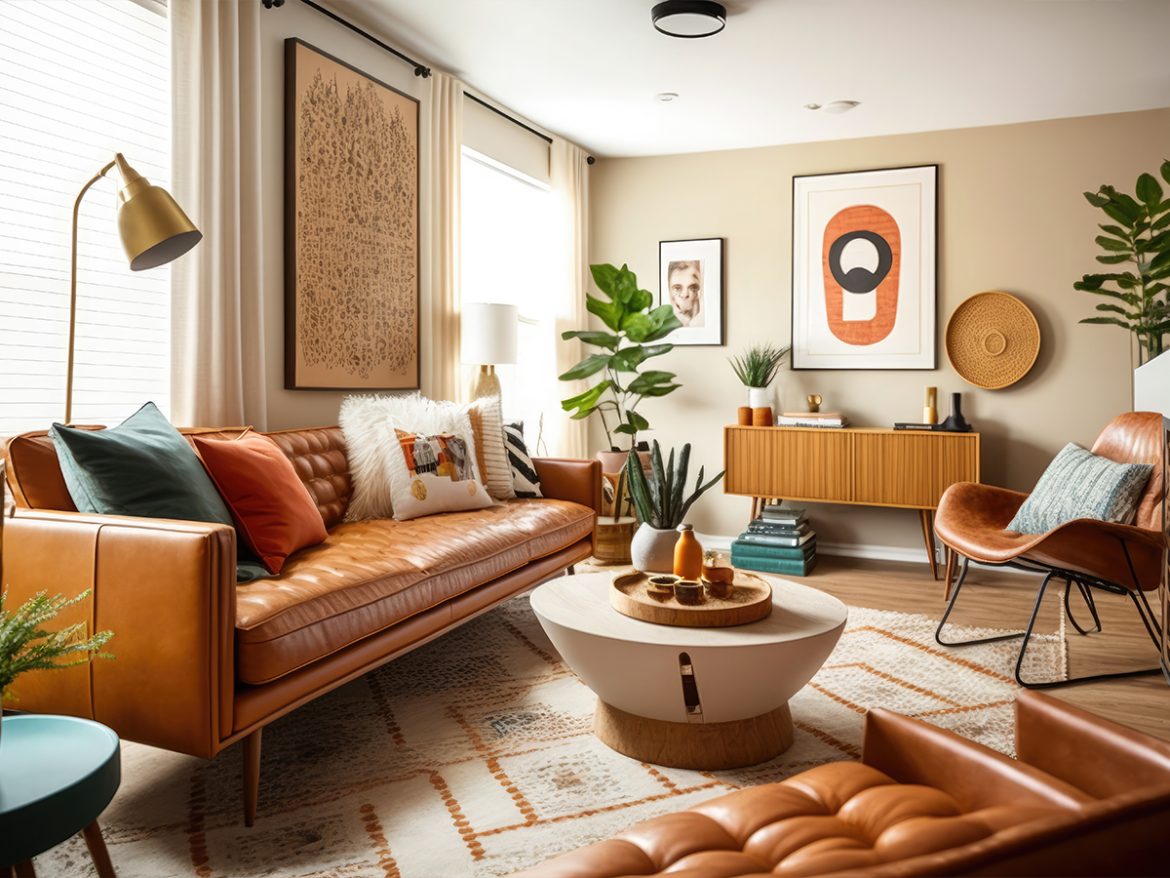
3D modeling involves creating a digital representation of an object or space in three dimensions using specialized software. In interior design, this could range from a simple chair or table to an entire room or building. Software like SketchUp, 3ds Max, or Blender enables designers to bring their ideas to life digitally, offering a realistic preview of the final design.
The Extensive World of 3D Models
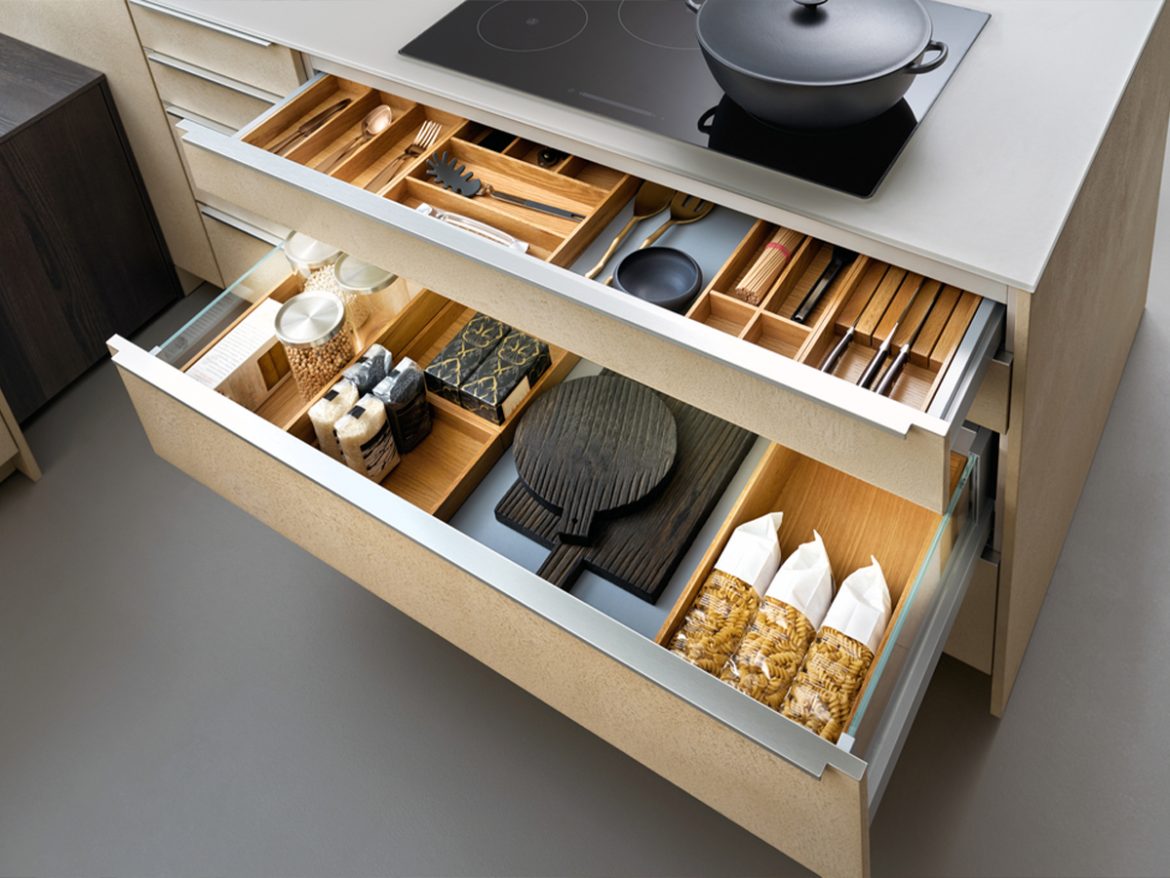
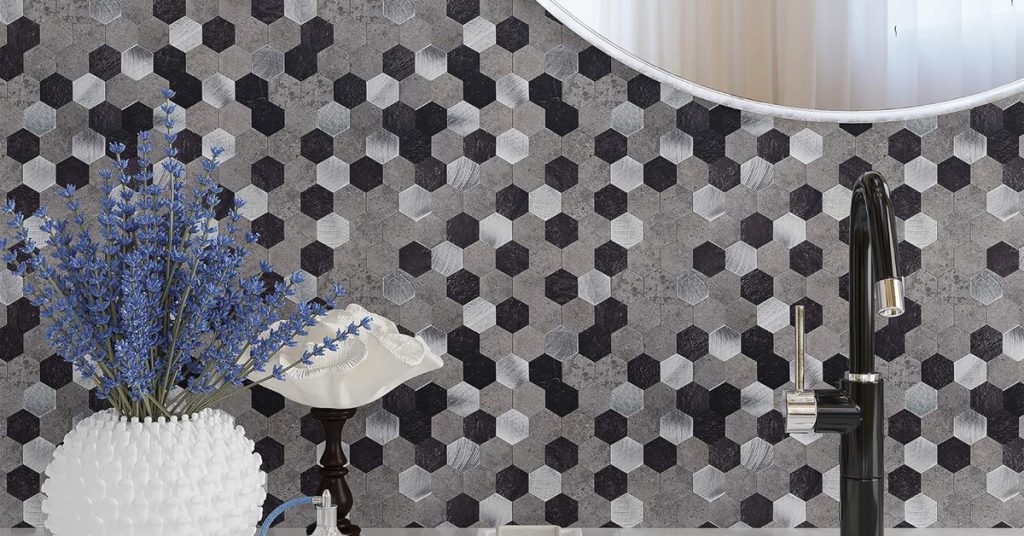
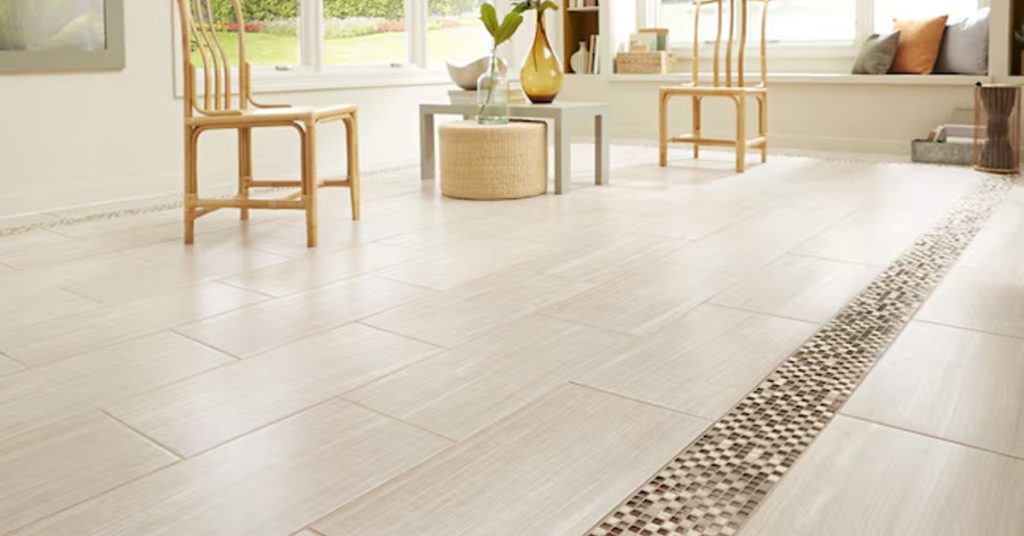
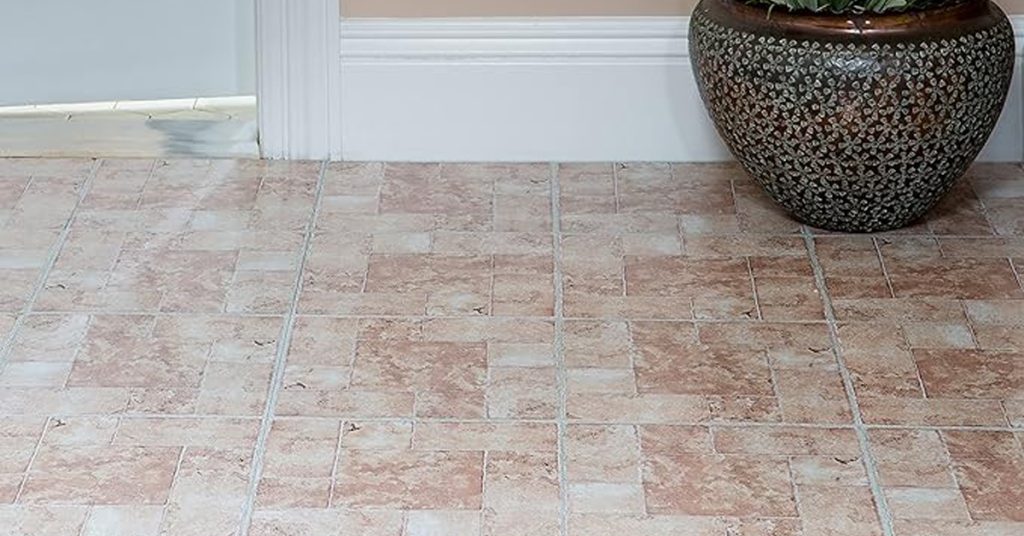
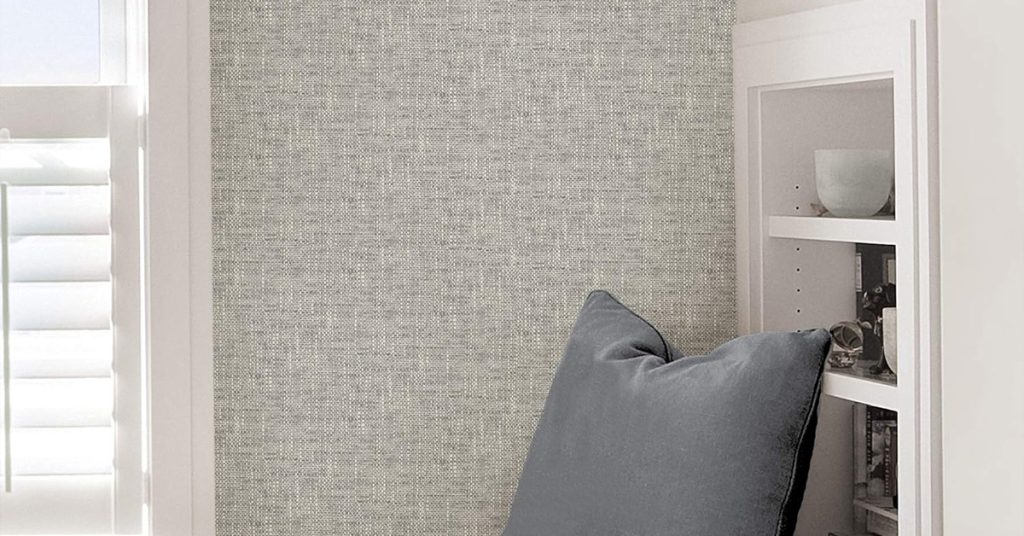
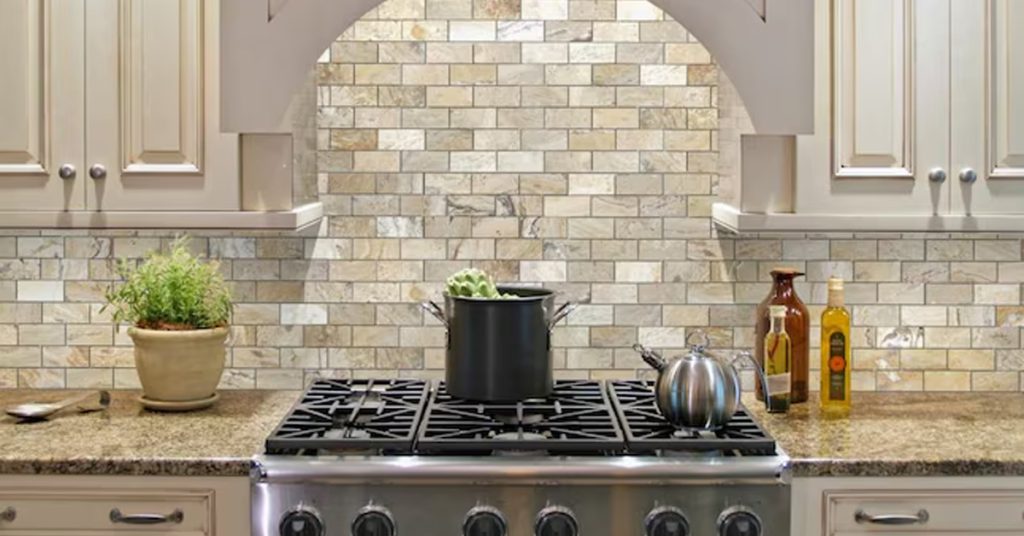
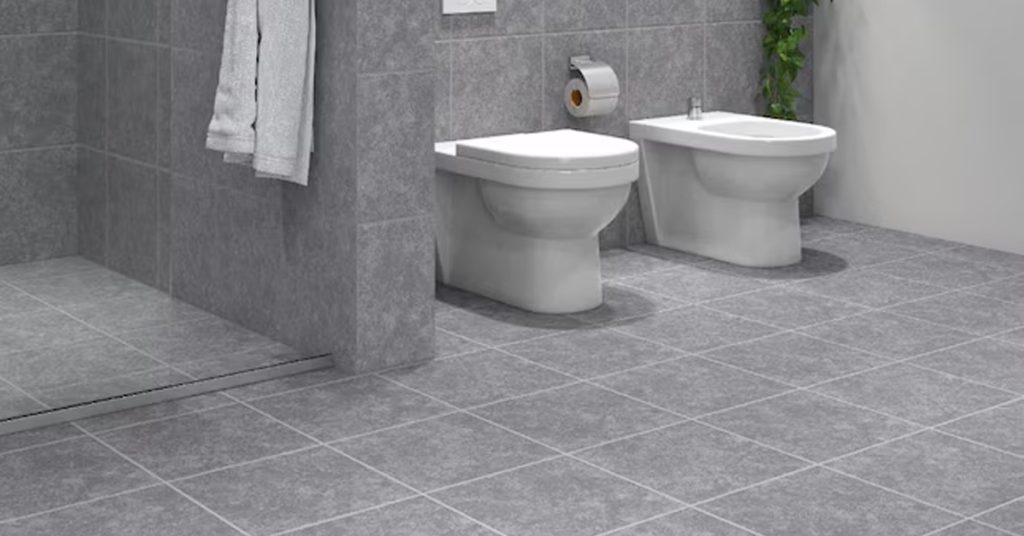
When it comes to sourcing 3D models for interior design projects, having access to a diverse and comprehensive library is crucial. Platforms like 3D Decorative offer an extensive collection of over 2,000 models tailored for kitchen, bath, and home interior design. These models are designed, tested, and optimized for compatibility with all major design software, ensuring seamless integration into your design workflow.
The Role of 3D Modeling in Interior Design
1. Visualization and Planning
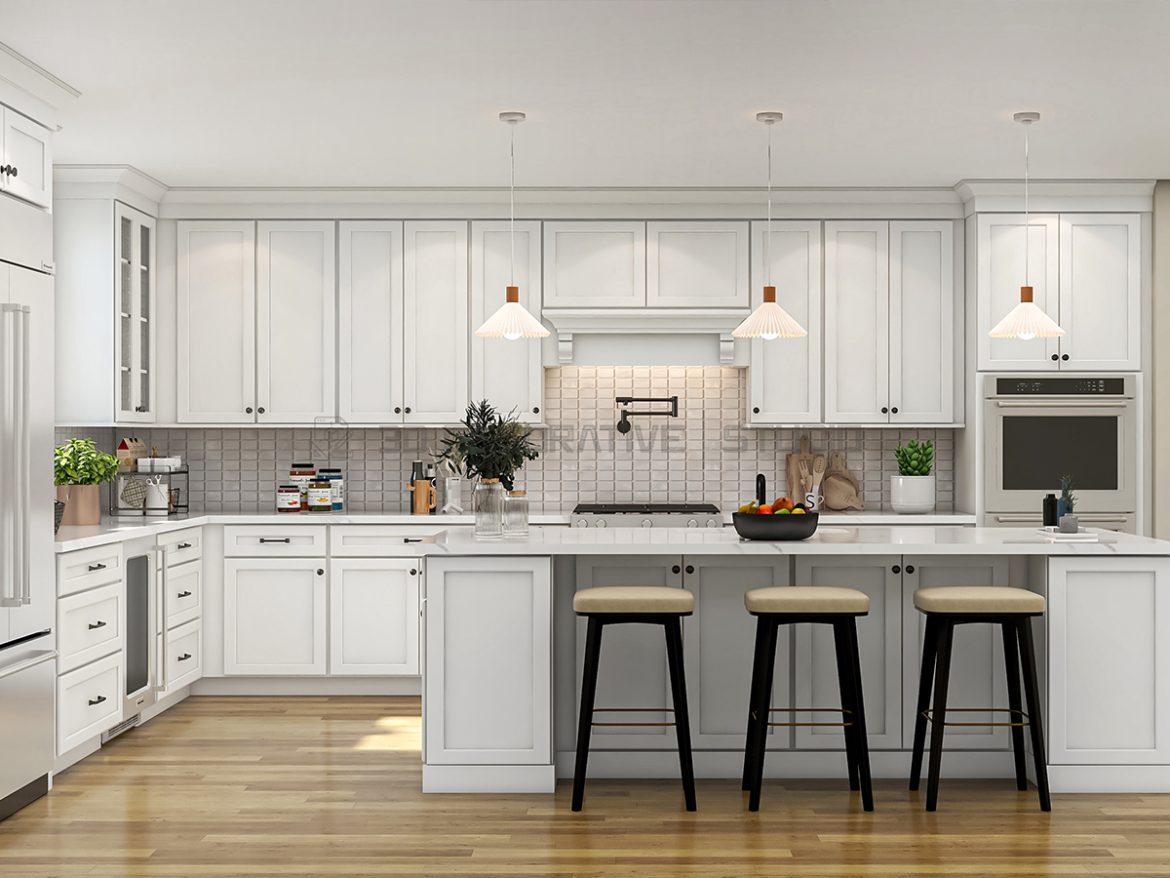
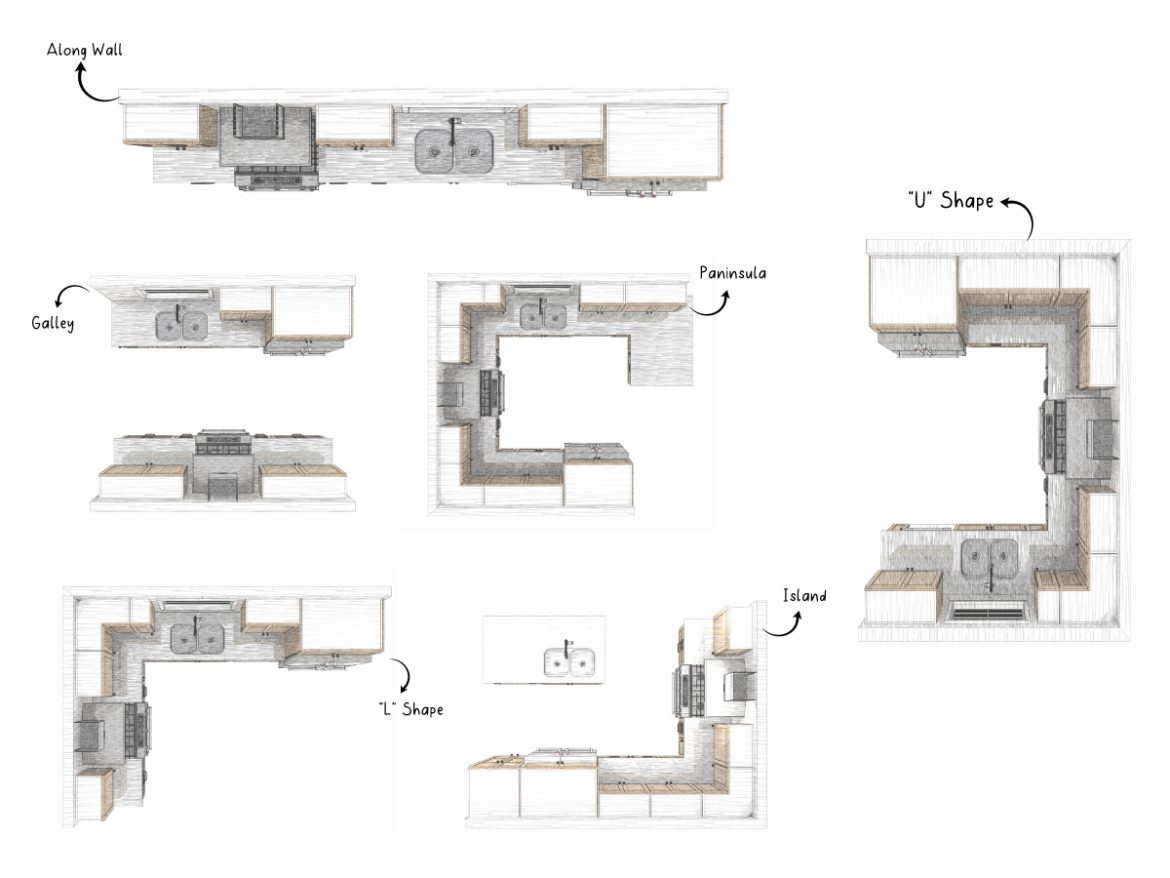
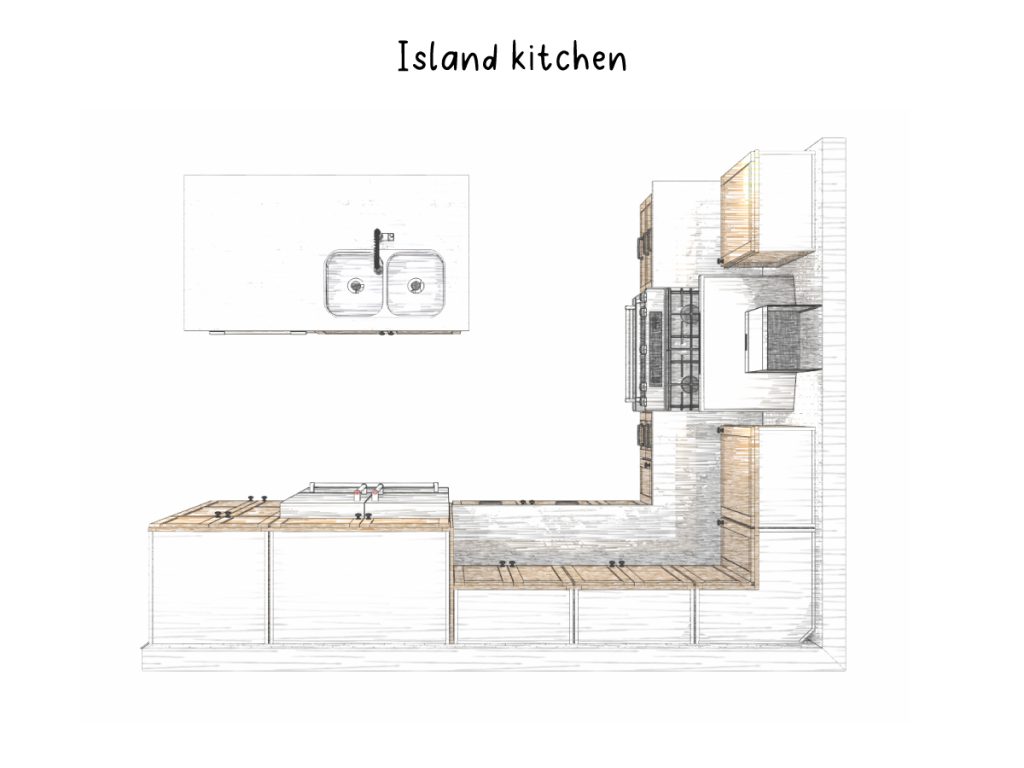
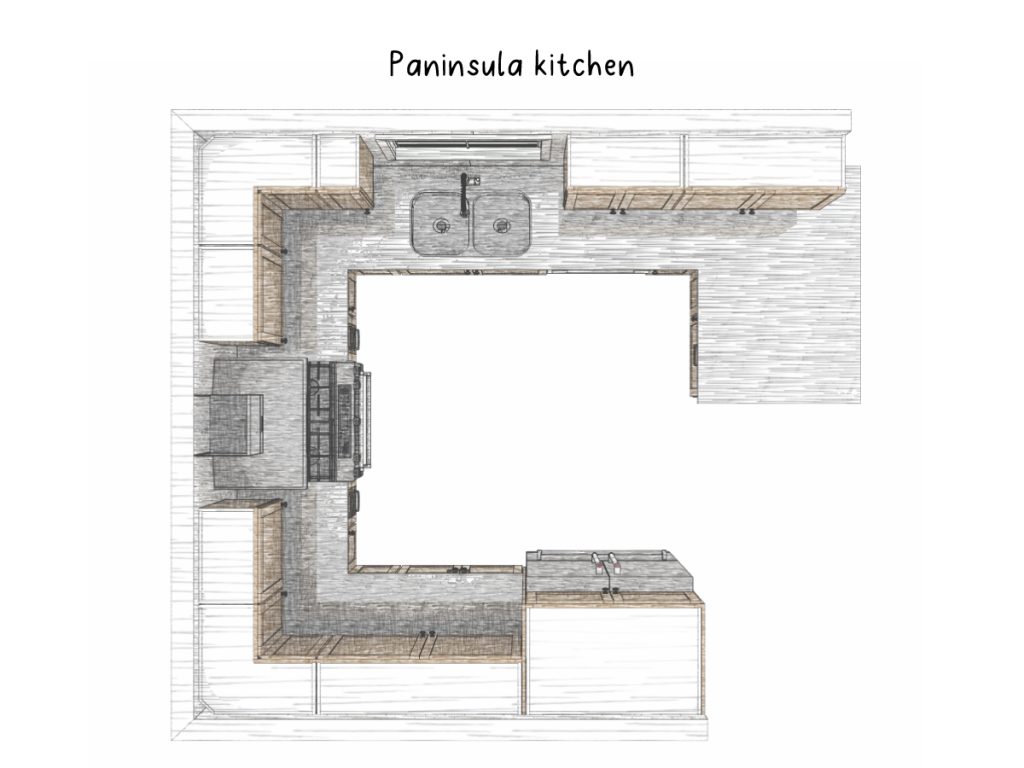
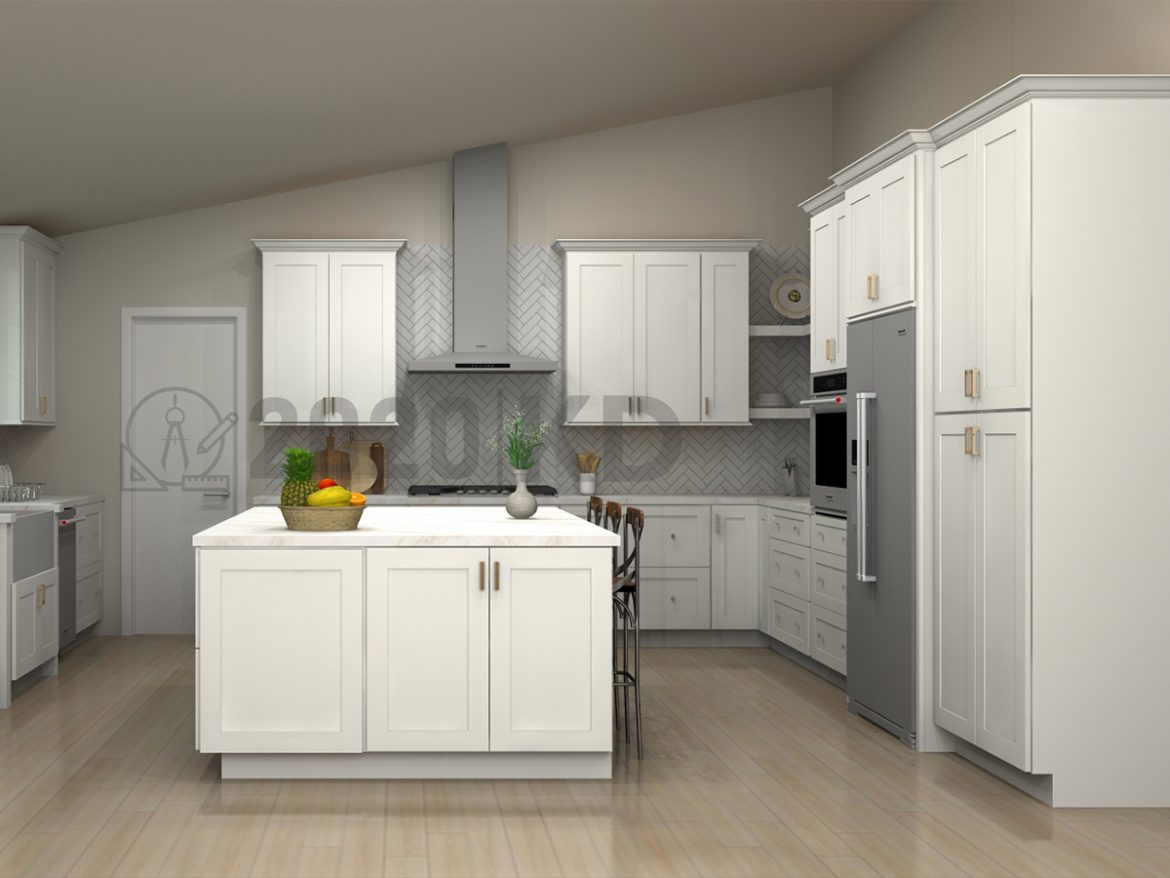
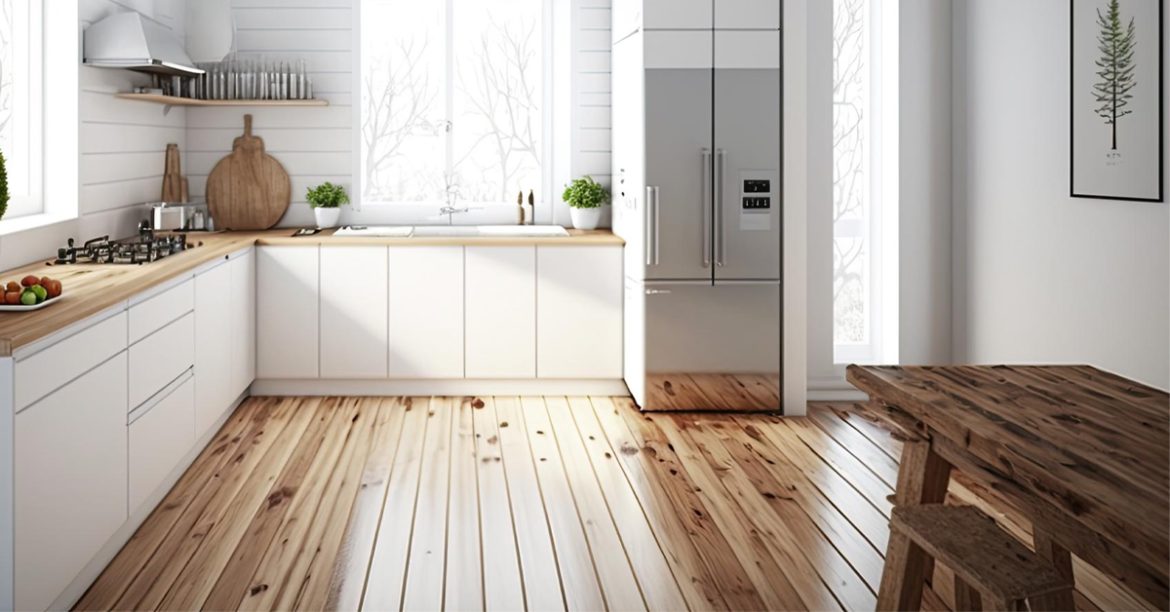
3D modeling facilitates visualization and planning, providing a realistic representation of a space. This allows designers, clients, and contractors to understand the layout, flow, and aesthetics of a room with precision. For complex spaces like kitchens and bathrooms, 3D modeling is invaluable in accurately depicting the placement of cabinets, sinks, and appliances.
2. Creativity and Flexibility
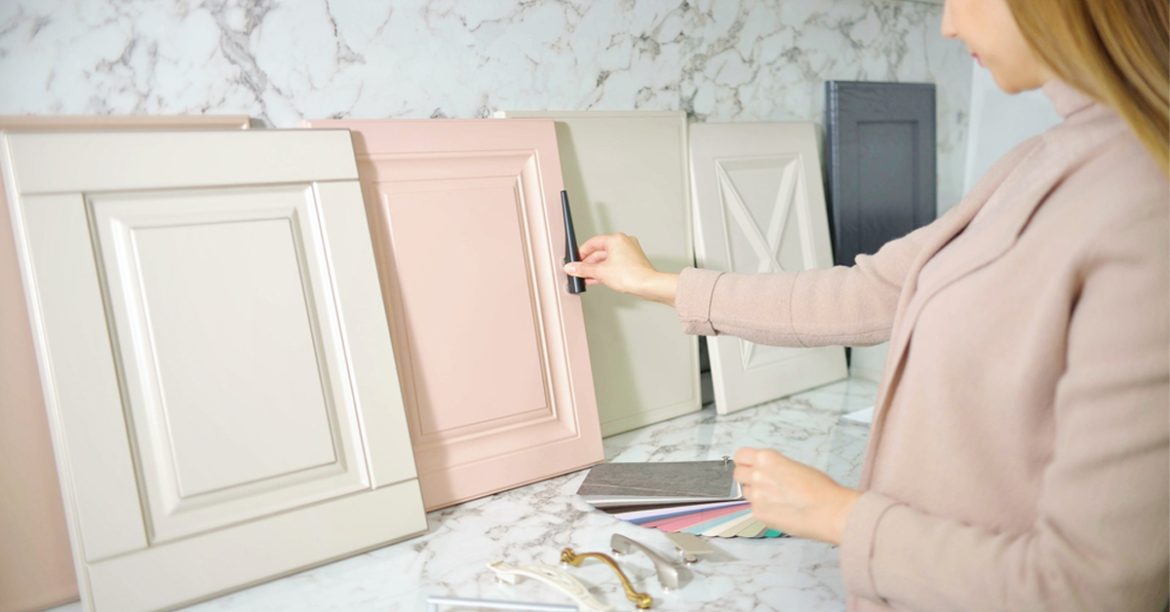
3D modeling tools empower designers with creativity and flexibility. Designers can experiment with different layouts, materials, and finishes, exploring various design possibilities. For example, in a kitchen design, a designer can play around with cabinet configurations and lighting options to create a functional and aesthetically pleasing space.
3. Client Collaboration and Approval
Effective communication with clients is crucial in interior design. 3D modeling facilitates better collaboration by providing clients with a clear and realistic representation of the final design. This helps to ensure that the final design meets the client’s expectations and requirements, leading to greater satisfaction.
4. Cost and Time Savings
Choosing the right 3D models and leveraging 3D modeling tools effectively can lead to significant cost and time savings. Accurate 3D models help identify potential issues early in the design phase, preventing costly mistakes later on. Additionally, by accurately planning and visualizing the design, designers can better estimate material and labor costs, helping to stay within budget.
Conclusion
In conclusion, 3D modeling has become an invaluable tool in interior design, offering designers the ability to visualize, plan, and present their ideas with precision and creativity. Platforms like 3D Decorative provide access to a diverse library of high-quality 3D models, further enhancing the design process.
Interior designers, what are you waiting for? Click on the link to visit 3D Decorative and download your favorite 3D models to showcase in your design projects! Don’t miss out on enhancing your designs with these amazing resources!