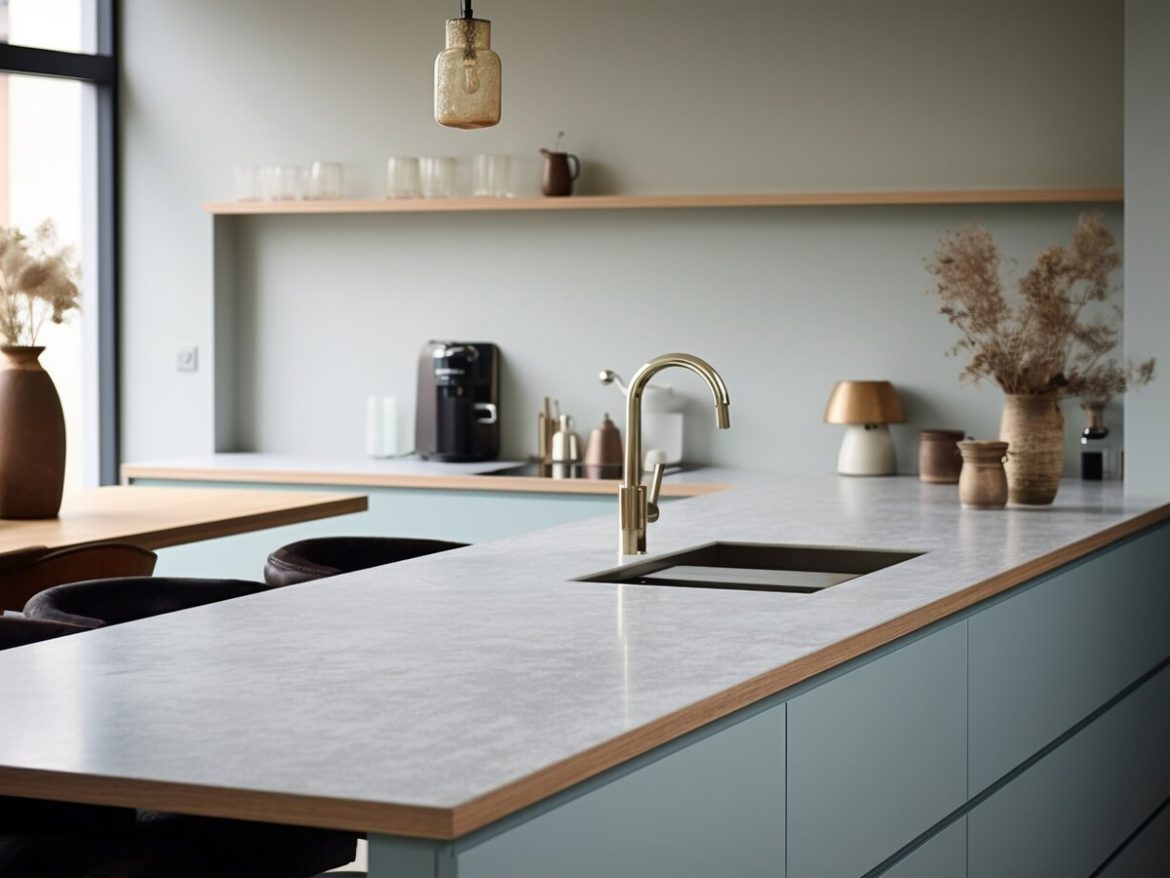


Despite economic uncertainty, home renovation demand in the United States is expected to remain strong through 2026, according to recent industry surveys and research. Data from both industry professionals and homeowners indicates that kitchens and bathrooms will continue to be priority renovation areas, driven by long-term homeownership, aging housing stock, and growing homeowner equity.
Rather than postponing improvements, many homeowners are choosing to invest in their current homes, focusing on functionality, comfort, and long-term value.
Homeowners Remain Committed to Renovation Plans
According to the 2026 U.S. Houzz Renovation Plans Report, released by online design and remodeling platform Houzz Inc., more than nine in ten homeowners surveyed say they plan to move forward with their renovation projects in 2026. This shows a high level of commitment, even as homeowners remain aware of rising costs and economic pressures.
Among homeowners planning to remodel, 67% report they will keep their project scope the same or expand it, indicating that many are not scaling back their plans. This trend suggests confidence in long-term housing decisions rather than short-term caution.
Renovation Activity Remained Active in 2025
Looking back at 2025, renovation activity remained steady across the U.S. housing market. Houzz reported that 44% of homeowners completed renovation projects during the year, while 42% were either in the middle of renovations or preparing to start. Only 14% delayed or canceled their projects, reinforcing the idea that renovation demand has not weakened significantly.
Among homeowners who delayed or canceled renovations, the most common reasons were that projects were not considered urgent (37%) or that timing was not ideal (30%). Other factors included high prices (17%), budget limitations (17%), and economic uncertainty (16%).
These findings show that while cost awareness has increased, most homeowners are adjusting timelines rather than abandoning renovation plans entirely.
Why Homeowners Are Choosing to Renovate Instead of Move
Industry experts point to several long-term factors supporting renovation demand. One major reason is homeowners’ decision to stay in their homes longer. The survey found that nearly two-thirds of homeowners expect to remain in their homes for 11 years or more after renovating, and almost half consider their current home their “forever home.” Only a small share—about 4%—expect to move within the next year.
This “stay-put” mindset is pushing homeowners to invest in meaningful upgrades, especially in kitchens and bathrooms, which offer daily usability and long-term value.
“Homeowners are committed to their planned projects in 2026, fully aware of the challenges,” said Marine Sargsyan, Head of Economic Research at Houzz. She noted that home equity has grown faster than mortgage debt since 2012, giving many homeowners the financial flexibility to invest in renovations. At the same time, limited housing supply and an aging U.S. housing stock are making remodeling a more practical choice than relocating.
Kitchens and Bathrooms Continue to Lead Renovation Demand
Kitchens and bathrooms remain the most resilient segments of the renovation market. These spaces are viewed as essential upgrades rather than discretionary projects, especially as households prioritize efficiency, storage, accessibility, and modern layouts.
Industry professionals report continued demand for:
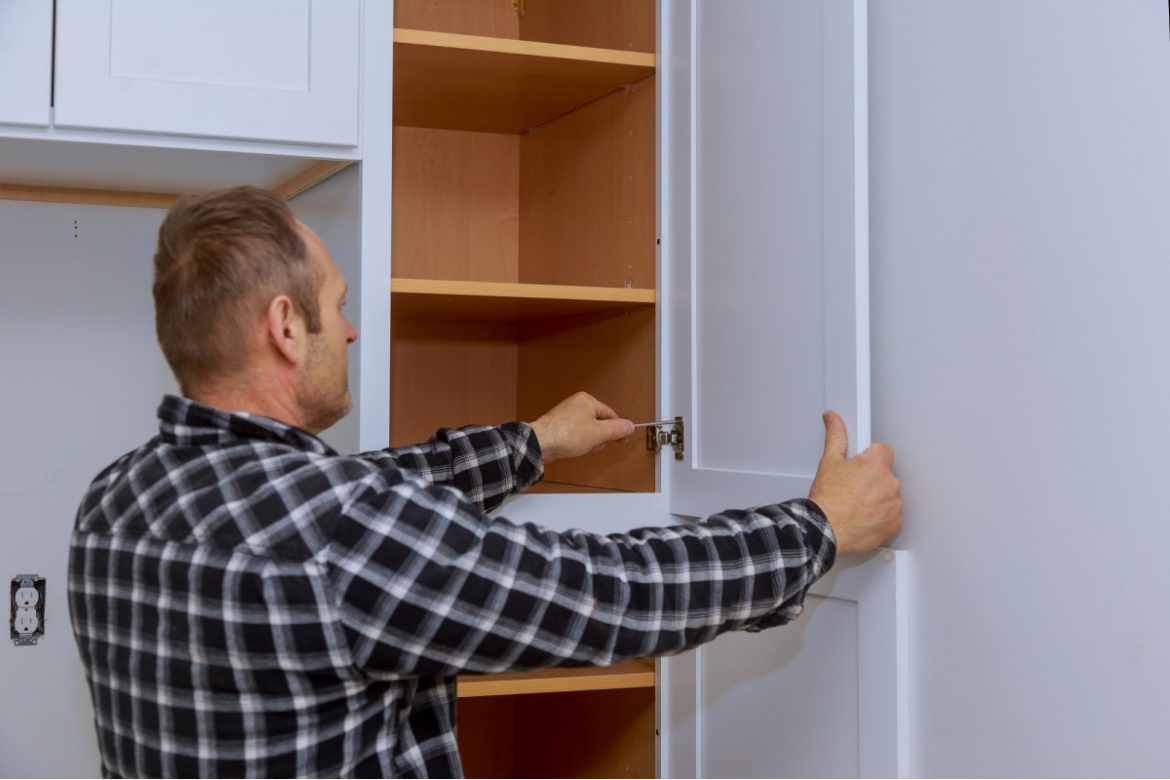
Cabinet replacements and refacing
Kitchen layout improvements
Bathroom upgrades focused on comfort and aging-in-place features
Because these rooms play a central role in daily living and home value, homeowners are more willing to invest in them even during uncertain economic periods.
Rising Costs Remain a Concern—but Not a Stopper
While demand remains strong, homeowners are realistic about challenges. The Houzz report found that 93% of homeowners expect at least one difficulty during their renovation project.
The most common concerns include:
Rising material and product costs (63%)
Higher labor costs (31%)
Difficulty finding available professionals (25%)
Despite these challenges, most homeowners are moving forward with projects by adjusting scope, comparing quotes more carefully, or phasing renovations over time rather than canceling plans.
What This Means for the Kitchen & Bath Industry
For cabinet manufacturers, dealers, designers, and remodelers, the outlook for 2026 points to a stable but more value-driven renovation market. Homeowners are still investing, but they expect transparency, efficiency, and long-term durability.
Businesses that focus on clear pricing, flexible design options, and efficient project execution are likely to perform well as homeowners continue to renovate with purpose rather than urgency.
Outlook for 2026
Taken together, the findings from homeowner surveys and industry research suggest that renovation demand in the U.S. will remain resilient in 2026. Structural factors—such as aging homes, limited housing supply, and strong homeowner equity—continue to support remodeling activity, particularly in kitchens and bathrooms.
Rather than signaling a slowdown, the data points to a shift toward smarter, more intentional renovations, where homeowners prioritize value, functionality, and long-term satisfaction.
Keep in touch with us for more updates.