
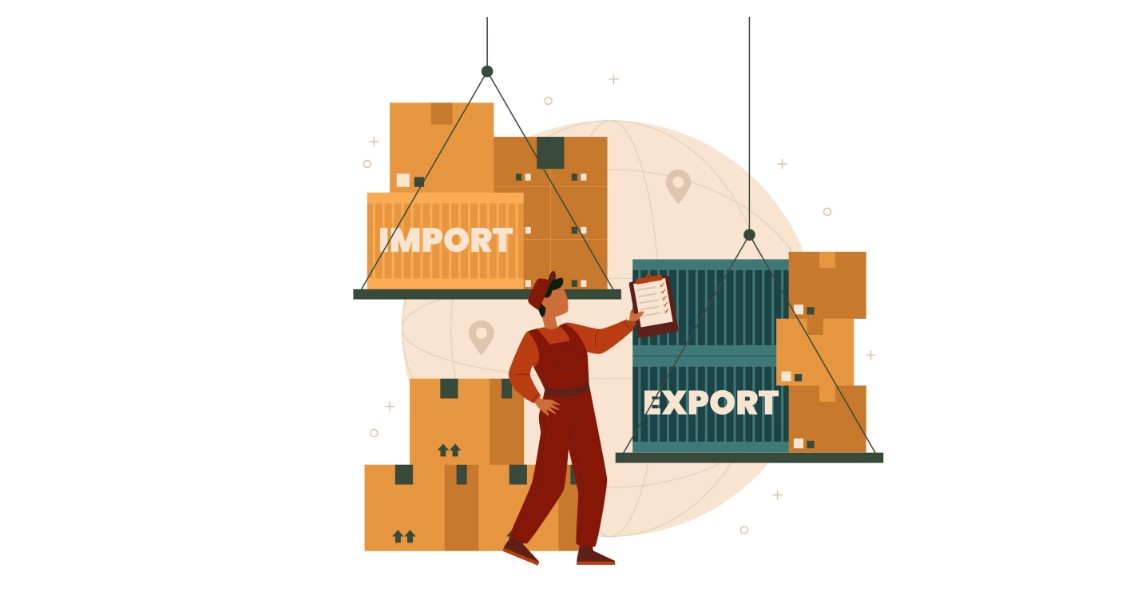
As 2025 unfolds, one issue is beginning to dominate headlines and boardroom conversations alike across the kitchen and bath sector: tariffs. With the U.S. government expanding and reinforcing import duties on a variety of construction and remodeling materials—most notably from China—manufacturers, designers, retailers, and homeowners alike are feeling the financial pressure.
This new wave of tariffs comes at a time when the industry is already navigating inflation, fluctuating housing demand, and supply chain recalibrations. The result is a shifting landscape in which pricing, material sourcing, and project timelines are being reevaluated in real time.
According to the National Kitchen & Bath Association (NKBA) and recent analysis by BDMag, the tariff impact is no longer speculative—it’s measurable and growing.
A Quick Recap: What Are the New Tariffs in 2025?
In mid-2025, the U.S. Trade Representative (USTR) updated and expanded Section 301 tariffs on a range of imported products from China, affecting industries far beyond technology and machinery. Among the most impacted materials in the kitchen and bath space are:
Ready-to-Assemble (RTA) and pre-assembled cabinetry
Aluminum extrusions and cabinet hardware
Quartz countertops and other engineered stone products
Plumbing fixtures and stainless steel components
Many of these products, particularly those imported by smaller-to-mid-sized U.S. brands, now carry tariffs as high as 25%–30%, drastically altering the base cost of goods.
How It’s Affecting the Industry Right Now
The National Kitchen & Bath Association (NKBA) reports that these tariffs are already causing ripple effects across multiple areas of the industry. Manufacturers are raising prices, distributors are adjusting inventory strategies, and design professionals are preparing clients for higher-than-expected project costs.
According to recent findings:
Over 60% of cabinet brands source some portion of their product line from China, either fully or in component form.
Quartz surface imports from China dropped significantly after the 2024 duties were imposed, with an 80% decline in volume year-over-year, forcing a shift to Vietnamese, Indian, or domestic suppliers.
Many aluminum components used in drawer systems and cabinet hinges have become 15–20% more expensive due to the new metal tariffs.
In short, the kitchen and bath sector—heavily dependent on global sourcing—is experiencing cost inflation at nearly every link in the supply chain.
The Impact on Kitchen & Bath Companies
1. Cabinet Manufacturers
Brands that have built their pricing strategies around overseas manufacturing now face a choice: absorb the cost, pass it on, or seek alternative sources. Larger brands with hybrid domestic/foreign supply models are better positioned, but smaller suppliers and RTA-focused companies are struggling to maintain margins.
Some manufacturers are accelerating plans to reshore cabinet assembly to Mexico or the U.S., though that introduces its own challenges in labor and logistics.
2. Quartz & Countertop Suppliers
With quartz tariffs reinstated and expanded, many suppliers are pivoting toward engineered stone from Turkey, India, and Vietnam—though some of those markets are also under investigation. As of Q3 2025, prices for mid-range quartz slabs have risen by 12–18%, with luxury products seeing even greater increases.
This shift is influencing designers and consumers to consider laminate alternatives or natural stone, both of which come with different sourcing and maintenance considerations.
3. Retailers and Distributors
Retailers are facing the brunt of consumer frustration. Delays in sourcing, fluctuating prices, and reduced inventory depth are making it difficult to guarantee product availability or price locks. Many are now bundling materials or promoting locally stocked brands to avoid volatile imports.
What It Means for Designers and Remodelers
Kitchen and bath designers are now operating in an environment of budget unpredictability. Quoting a full kitchen remodel without factoring in tariff-related material cost changes can lead to uncomfortable conversations down the line.
Designers are taking proactive steps by:
Educating clients early about potential price swings
Sourcing from tariff-free or domestic suppliers when possible
Recommending materials with more stable supply chains
Working with vendors that provide transparent pricing with tariff breakdowns
According to BD Magazine, many design-build firms have updated their contracts in 2025 to include tariff adjustment clauses, which protect both the homeowner and contractor from unexpected cost increases during long remodel timelines.
Helpful Guide: What Does a Kitchen Remodeling Service Include?
Consumers Face Rising Project Costs
For homeowners, the most visible result of the 2025 tariff policies is higher remodeling estimates—especially on mid-range to premium kitchen and bath projects.
Whereas the average cost of a full kitchen remodel in 2024 ranged from $25,000 to $60,000, the same scope in late 2025 may push 5% to 12% higher, depending on the product selections and geographic location.
Quartz countertops, imported cabinet boxes, and even plumbing fixtures have all seen price hikes attributed in part to tariff policy.
Some homeowners are choosing to:
Phase projects (e.g., cabinets first, countertops later)
Delay renovations until supply chains stabilize
Switch to domestic or non-tariff suppliers, even if style preferences must be adjusted
In areas like California, Texas, and Florida—where remodeling demand remains high—consumers are especially sensitive to changes in imported material costs.
Looking Ahead to 2026: What’s Next?
As we move toward 2026, several key questions remain open:
Will additional tariffs be applied to other construction products?
How will foreign manufacturers respond—by moving production, lowering prices, or exiting the U.S. market?
Will domestic production expand enough to fill the gap?
The 2026 Kitchen & Bath Industry Outlook (to be released by NKBA early next year) is expected to provide more clarity. However, experts agree that tariff volatility is likely to continue, making pricing agility a necessary part of doing business in the remodeling sector.
Industry Response: Advocacy and Adaptation
Several trade organizations, including the NKBA and the American Home Furnishings Alliance, have urged the U.S. government to reconsider tariffs that disproportionately affect small businesses and homeowners. They argue that while tariffs may aim to protect domestic industry, they also raise prices and reduce selection for end users.
In the meantime, industry leaders are adapting by:
Diversifying sourcing regions
Increasing price transparency
Enhancing communication across supply chains
Focusing on domestic manufacturing capacity
It’s clear that the kitchen and bath industry in 2025 is no longer just about design and function—it’s now intertwined with global economics and trade policy.
Final Thoughts
The recent wave of tariffs is not just a policy headline—it’s a real, measurable force reshaping the kitchen and bath industry. From rising cabinet costs to limited quartz availability, every stakeholder—from manufacturers to designers to homeowners—is being affected.
While the full impact is still unfolding, one thing is certain in 2025 and beyond, staying informed about tariff changes is just as important as staying on top of design trends.
Stay tuned for more updates and the latest trends in kitchen and bath design on Kitchen and Bath Resources.